China Top 10 Injection Moulded Parts Manufacturers
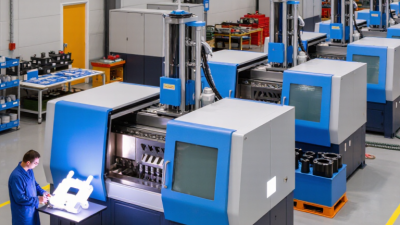
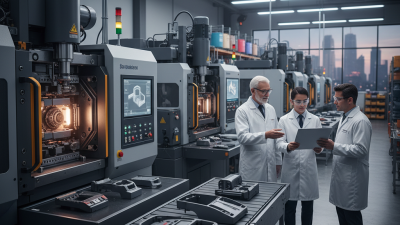
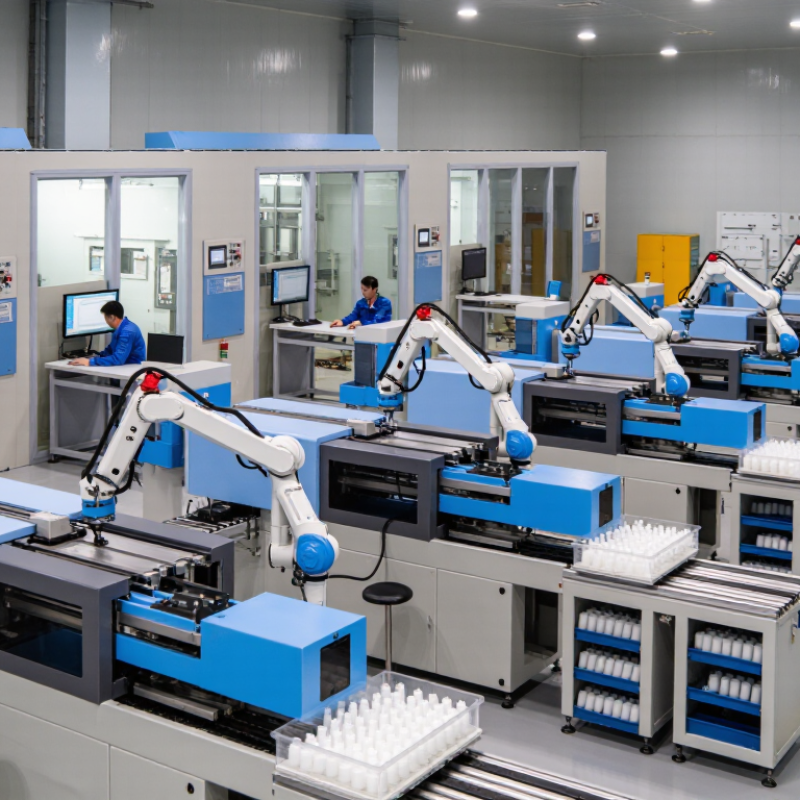
China’s injection moulded parts industry has grown from basic commodity production into a highly capable manufacturing sector. Today, leading suppliers serve automotive, medical, electronics, appliance, and industrial equipment markets. Their workshops may contain automated presses, robotic part removal, optical inspection stations, and climate-controlled tooling rooms. These details matter because consistent parts depend on more than machine size.
John Bozzelli, a respected injection molding educator and founder of RJG, often reminds manufacturers: “The answer is in the data.” His message reflects practical experience. A reliable supplier should document material drying, mold temperature, injection pressure, cycle time, dimensional results, and corrective actions. Certifications help, but they do not replace process discipline or transparent communication.
This guide reviews China’s top 10 injection moulded parts manufacturers through a buyer-focused lens. It considers technical capability, mold-making experience, material knowledge, quality systems, production scale, export service, and customization support. Sample approvals and traceability deserve careful attention. So do response speed and engineering judgment.
No ranking stays perfect. Supplier performance can change with equipment, leadership, workload, or customer requirements. A factory that excels at automotive clips may not suit medical housings or transparent optical components. That difference is easy to overlook.
The strongest manufacturers usually offer more than molded plastic. They support design-for-manufacturing reviews, prototype validation, tooling maintenance, and stable mass production. Buyers should still verify claims independently. Request inspection reports, production samples, audit access, and clear tolerance agreements before placing substantial orders. Practical evidence remains more valuable than polished marketing language.
What Are Injection-Moulded Parts?
Injection-moulded parts are components formed by forcing heated plastic into a shaped mould. The material cools, hardens, and takes the cavity’s exact geometry. This process creates items such as housings, clips, gears, covers, and medical-device components. It supports high-volume production with consistent dimensions and repeatable surface finishes.
The part begins with a mould design, not the injection machine alone. Engineers review wall thickness, draft angles, ribs, holes, and likely shrinkage. Balanced filling helps reduce warping and visible flow marks. Materials may include polypropylene, ABS, nylon, or engineering-grade resins. Each choice affects strength, heat resistance, flexibility, and cost. Small details matter.
Quality checks often include dimensional measurement, visual inspection, and functional testing. A part can look clean but still fail under pressure. In production work, I have found that unclear drawings create more trouble than difficult machinery. No mould is perfect. Uneven cooling, trapped air, or excessive injection pressure may cause defects. These problems require evidence, not guesses, such as sample measurements and process records. A practical review should also consider assembly force, surface wear, and how the part behaves after repeated use. Sometimes, a simpler design performs better, although that lesson is easy to overlook.
China’s Top 10 Injection-Moulded Parts Manufacturers
China’s Top 10 Injection-Moulded Parts Manufacturers are often judged by more than machine count. Practical performance matters. A reliable supplier should show stable tolerances, clear process records, and experienced mould technicians. During supplier audits, buyers should inspect material storage, mould maintenance, and first-article inspection areas. Clean floors help, but controlled procedures matter more.
The strongest manufacturers usually support automotive, medical, electronics, and industrial applications. Their teams can review wall thickness, draft angles, shrinkage, and parting lines before tooling begins.
They may offer multi-cavity moulds, insert moulding, overmoulding, and automated inspection. Useful evidence includes capability studies, sample reports, traceability records, and corrective-action responses.
Ask for recent production examples. Not just polished samples.
A top-ten list should remain practical, not absolute. Rankings can change when delivery pressure, resin availability, or engineering support changes. Some factories have impressive equipment but weak communication. Others lack visual polish yet solve difficult moulding problems quickly. That difference deserves attention. Buyers should compare total cost, not only the quoted piece price. Small details, such as packed part protection and response time, often reveal operational maturity. No manufacturer is perfect. A careful review should still identify risks before mass production starts.
Manufacturing Capabilities and Industry Applications
China Top 10 Injection Moulded Parts Manufacturers
Manufacturing capability starts with matching the mould, resin, and production volume to the part’s purpose. Experienced manufacturers commonly support part design reviews, mould-flow analysis, tool making, sampling, and repeat production. A small change to a rib or gate location can affect strength, appearance, and cycle time.
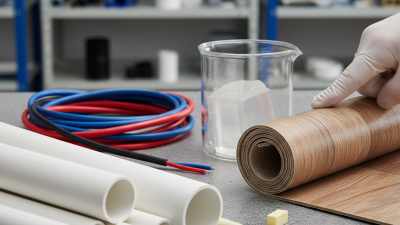
Material selection matters. Polypropylene suits many lightweight housings, while engineering plastics can provide greater heat resistance or dimensional stability. Suppliers may offer insert moulding, overmoulding, and automated trimming for more complex parts. Ask how they control moisture, temperature, and cycle settings; inconsistent process records can make defects harder to trace. Details matter.
Applications span automotive interiors, electrical enclosures, medical-device components, packaging, and household products. Each field has different priorities: a visible trim piece needs a consistent finish, while a connector housing may need reliable fit and insulation properties. Manufacturers can use inspection gauges, coordinate-measuring equipment, and documented sampling plans, but the right checks depend on the drawing and risk level.
A top-ten comparison should look beyond machine size or quoted price. Review tooling ownership, sample approval procedures, material traceability, and production capacity against expected demand. Factory visits or detailed process audits can reveal practical strengths. One uncomfortable truth: even a polished sample does not guarantee stable mass production. Ask for evidence from repeated runs.
How to Choose the Right Chinese Manufacturer
Choosing a Chinese injection moulded parts manufacturer starts with the part, not the sales pitch. Share a clear drawing, resin grade, annual volume, and critical dimensions. Ask how the factory checks shrinkage and warpage, especially around ribs, bosses, and uneven wall sections. Good answers should refer to actual inspection steps, not only promises.
Review the tooling plan in detail. Confirm who owns the mould, how many cavities it has, and what maintenance is included. Request sample parts and measurement records from a trial run. Look closely at gate marks, flash, surface finish, and fit with mating components. A polished sample matters, but repeatability matters more. Ask how defects are logged and corrected across production batches.
Visit the facility if practical, or request a live video walkthrough of the moulding and inspection areas. Check whether machines suit your part’s size and material, and whether operators record process settings. Compare quotations line by line: tooling, sampling, packaging, and freight can be treated differently. The lowest price may hide unclear assumptions. I sometimes focus too much on unit cost; lead time, communication, and change control deserve equal attention. No supplier is perfect, so agree on measurable acceptance criteria before production begins.
China Top 10 Injection Moulded Parts Manufacturers - How to Choose the Right Chinese Manufacturer
Use this comparison framework to assess and rank shortlisted suppliers. It presents selection criteria rather than verified company rankings; confirm all supplier-specific information directly with each manufacturer.
| No. |
Evaluation Dimension |
What to Verify |
Useful Evidence or Questions |
Suggested Weight |
| 1 |
Relevant Moulding Experience |
Experience with comparable part geometry, resin types, production volumes, and end-use requirements. |
Ask for anonymized case studies, sample parts, and references for projects of similar complexity. |
15% |
| 2 |
Tooling Design and Control |
Design-for-manufacturing support, tool construction, maintenance planning, and clear ownership terms. |
Request a tooling scope, maintenance plan, milestone schedule, and written confirmation of tool ownership and transfer conditions. |
12% |
| 3 |
Machine Capacity and Process Fit |
Available press tonnage, shot capacity, tie-bar spacing, automation, and suitability for the part and mould. |
Ask for a machine list and confirmation that the proposed press can accommodate the mould and specified material. |
10% |
| 4 |
Quality Management |
Documented quality controls, traceability, inspection methods, corrective action, and relevant certifications. |
Verify certificates with the issuing body and confirm their scope and validity. ISO 9001 is a quality management system standard; certification alone does not guarantee part quality. |
15% |
| 5 |
Dimensional and Functional Validation |
Ability to inspect critical dimensions and test performance against your drawing and acceptance criteria. |
Request a sample inspection report and agree on measurement methods, sampling, tolerances, and approval criteria before production. |
12% |
| 6 |
Material Control and Traceability |
Material sourcing, grade verification, storage, lot traceability, and handling of regrind where applicable. |
Specify resin grade and approved sources; request material certificates or batch records and define whether regrind is permitted. |
10% |
| 7 |
Production Capacity and Lead Time |
Available capacity, realistic tooling and production schedules, peak-season planning, and delivery performance. |
Request a project-specific timeline, capacity plan, and recent on-time delivery data with the calculation method explained. |
8% |
| 8 |
Cost Transparency |
Separate pricing for tooling, parts, inspection, packaging, freight, and potential engineering changes. |
Compare quotations on the same resin grade, annual volume, packaging specification, Incoterm, and payment terms. |
8% |
| 9 |
Communication and Engineering Support |
Responsiveness, technical clarity, change control, and availability of engineering support during sampling and production. |
Assess response quality during a technical review and confirm named contacts, escalation routes, and document-control practices. |
5% |
| 10 |
Compliance and Business Risk |
Product-specific regulatory needs, export documentation, environmental requirements, and continuity planning. |
List applicable market and industry requirements in the contract; verify evidence and assess backup capacity and disruption plans. |
5% |
Scoring method: Rate each shortlisted supplier from 1 (weak evidence) to 5 (strong, verified evidence), multiply each rating by its suggested weight, and compare the weighted totals. Validate samples, documents, and commercial terms before making a final decision.