China Top 10 Injection Moulded Parts Manufacturers
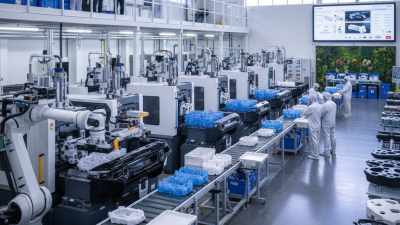
Choosing a manufacturer is about more than comparing prices. China’s moulding industry serves automotive, medical, electronics, appliance, and consumer-product markets. This guide introduces ten manufacturers and the capabilities buyers may want to examine. A polished catalog is not enough. Details matter. The right partner should understand part geometry, resin selection, tooling design, and production volume before quoting a project. These decisions shape the finished injection moulded parts, from surface texture to dimensional consistency.
The comparison considers practical factors such as engineering support, mould-making resources, quality-control processes, export experience, and communication. A sample part can reveal details that a brochure may miss: a rough gate, uneven wall thickness, or a difficult-to-remove flash line. Ask how suppliers handle tool maintenance, material traceability, and changes during production. Request evidence where possible, such as inspection records or sample parts. Capabilities can differ between factories, even when their websites use similar claims.
No shortlist can replace a factory assessment. That limitation matters. A manufacturer suited to a high-volume automotive program may not fit a small custom order with frequent design changes. Buyers should compare requirements carefully and confirm specifications, timelines, and responsibilities directly with each supplier. Price deserves attention, but a low quote may exclude testing, packaging, or tooling work. Use this overview as a starting point, not a final verdict. The strongest choice is the supplier whose documented process matches the part, the project’s risk level, and the support required after production begins.
What Injection Moulded Parts Manufacturers Produce in China
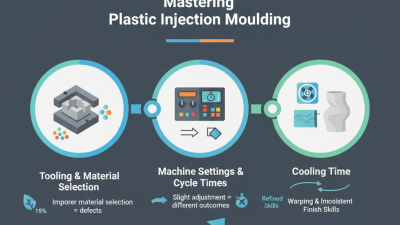
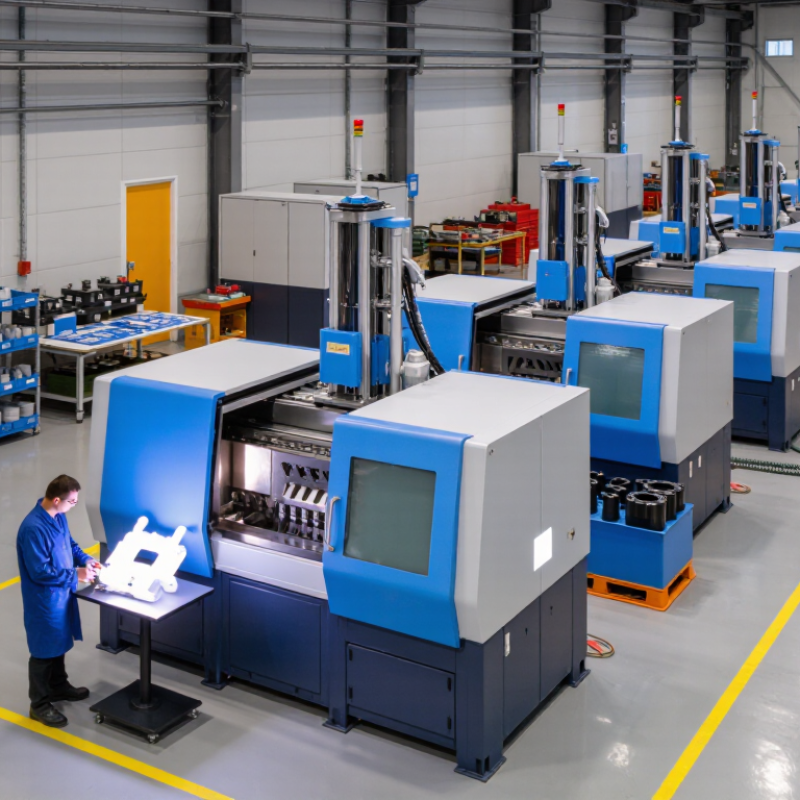
China’s injection moulded parts manufacturers produce components for vehicles, appliances, electronics, medical equipment, and packaging. Typical products include dashboard housings, appliance handles, electrical enclosures, small gears, and thin-walled food containers. They process materials such as polypropylene, ABS, polycarbonate, and nylon, selecting grades to match strength, heat, appearance, and cost requirements. A mould’s gate position and cooling channels can affect surface finish and cycle time. Small design choices matter.
Grand View Research estimated the global injection-moulded plastics market at US$357.3 billion in 2023 and forecast 4.8% annual growth from 2024 to 2030. This figure covers the worldwide market, not China’s production alone. It signals broad demand, but does not tell buyers whether a supplier can hold tight tolerances or deliver consistent batches. That needs verification. In practice, incomplete drawings or unclear resin specifications can create avoidable sampling delays.
Tip: Share 3D files, resin requirements, expected volumes, and critical dimensions before requesting a quotation. Ask for sample parts and inspection records. Check weld lines, sink marks, and fit under real assembly conditions. A polished sample is useful, but production consistency matters more.
China’s Injection Moulded Parts: Common Product Categories
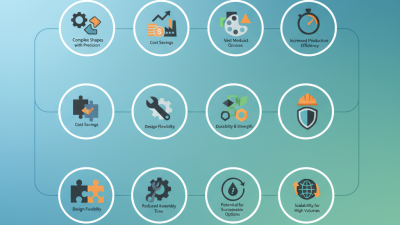
Counts represent the example part types listed for each sector—not manufacturer totals, market shares, or production volumes. Injection moulding is used to make components such as automotive clips, electrical enclosures, household fittings, packaging closures, and laboratory items.
How China’s Injection Moulding Industry Is Organized
China’s injection moulding industry is organized around connected capabilities, not just factory size. A typical project may involve product design, mould engineering, resin selection, moulding, and finishing. Some manufacturers manage several stages in-house; others rely on specialist toolmakers or finishing suppliers. This division lets buyers match a project with the right equipment and expertise. It can also create handoff problems. Small details, such as a revised gate location, may not reach every team promptly.
Tips: Ask who owns mould design, sampling, and revision control. Request a material data sheet and sample inspection records. Confirm the expected shot size, annual volume, and cosmetic standards before comparing quotes. A low unit price may exclude tooling changes or secondary operations.
Manufacturers also differ by production focus. Some prioritize rapid prototyping and short runs, while others are set up for repeat production across multiple cavities. Regional clusters can make tooling, materials, and logistics easier to coordinate, but location alone does not prove capability. Review the actual process: check how parts are measured, how defects are recorded, and who approves changes. Factory audits and clear specifications help, yet they cannot prevent every issue. Even experienced teams sometimes discover that a part behaves differently after cooling than the initial sample suggested.
Criteria for Comparing China’s Leading Manufacturers
Comparing China’s leading injection moulded parts manufacturers requires more than checking unit prices.
PlasticsEurope’s Plastics – the Fast Facts 2024 reports 413.8 million tonnes of global plastics production in 2023, with China accounting for 33.3%.
That scale indicates a broad supply base, not equal capability at every factory. Ask for evidence tied to your part: annual capacity, machine clamping force, tooling ownership, and experience with the specified resin. Request sample inspection records showing dimensions, weight, gate position, and visible defects. A low quotation can conceal extra tooling changes or inspection costs. Small details matter.
Quality systems and communication deserve equal weight.
Compare defect rates, corrective-action records, material traceability, and how quickly engineers respond to a drawing change. ISO 20457:2018 provides tolerances and acceptance conditions for moulded plastic parts; use it to clarify what “within tolerance” means. PlasticsEurope’s production figures describe the wider plastics industry, not the performance of individual moulding suppliers. Treat them as context, not proof. Review a pilot run under realistic production conditions, including cycle time and packaging checks. A polished presentation can still hide weak process control. Trade-offs remain. A supplier with excellent tooling skills may not offer the lowest price, and a spreadsheet may miss that.
Profiles of China’s Top 10 Injection Moulded Parts Manufacturers
Profiles of China’s top 10 injection moulded parts manufacturers are most useful when they explain how each operation works. A list alone reveals little. Compare capabilities such as mold design, material selection, press capacity, and inspection methods. One supplier may focus on thin-walled appliance housings, while another handles larger automotive interior components or detailed electronic enclosures. These differences affect tooling choices, cycle times, and part consistency.
Strong profiles include practical evidence. Look for details on dimensional checks, sample approval, mold maintenance, and production traceability. A factory that measures critical features with calibrated equipment can explain how it responds when a dimension drifts. Ask whether its stated tolerances apply to every feature or only selected areas. That matters. The phrase “top ten” should be treated as a comparison, not an official certification; capabilities can vary by project, material, and production volume.
Useful comparisons also consider communication and problem-solving. Can engineers review a drawing before tooling begins? Do they flag draft angles, wall-thickness changes, or likely sink marks? Clear answers reduce avoidable revisions. Still, a polished profile cannot prove consistent performance on its own. Request relevant samples and quality records, and check that the proposed process fits the actual part. A beautiful sample is not the whole story.
How to Choose a Manufacturer for Your Project
Choosing an injection-moulded parts manufacturer starts with the job, not the sales pitch. Grand View Research valued the global injection moulding market at US$287.5 billion in 2023 and projected 4.8% annual growth from 2024 to 2030. That scale offers options, but a large market does not guarantee a good project fit. Compare suppliers on part complexity, production volume, material experience, and their ability to explain trade-offs clearly.
Ask for evidence from comparable projects, such as sample parts, inspection records, and documented process controls. Discuss the mould’s expected service life, ownership, maintenance, and who pays for design changes. A technically capable supplier should flag risks like thin ribs, uneven wall thickness, or sink marks before tooling begins. Request a production trial and agree on measurable acceptance criteria, including dimensions and visible surface defects. Small details matter. I would also check how quickly the team responds to problems; polished presentations do not always predict reliable communication.
Tips: Send the same drawing and annual-volume estimate to each candidate. Ask each to identify one design risk and one cost-saving option. Compare the reasoning, not just the quotation. If a proposal is vague, pause and ask for specifics.