How to Find the Best Extruded PVC Suppliers for Your Business?
In the competitive landscape of manufacturing, finding reliable extruded PVC suppliers is vital. The global demand for extruded PVC products is projected to reach 60 million metric tons by 2027, according to a recent industry report by Grand View Research. This rising trend underscores the necessity for businesses to partner with reputable suppliers that prioritize quality and sustainability.
However, not all suppliers meet the industry's strict standards. Some may lack the proper certifications or fail to adhere to production guidelines. It's essential to consider factors such as raw material quality and production capacity when evaluating potential partners. Many businesses have overlooked these aspects, leading to subpar products and customer dissatisfaction.
Establishing strong relationships with trusted suppliers can enhance product quality and reduce operational risks. A well-chosen extruded PVC supplier can innovate and respond to market changes effectively. Taking the time to research and verify suppliers can save resources and improve overall business performance. Making informed decisions is crucial in this complex supply chain.
Identifying Your Business Needs for Extruded PVC Products
Identifying your business needs for extruded PVC products is crucial for selecting the right suppliers. Start by evaluating the specific applications for which you need these materials. Are you in construction? Or perhaps manufacturing? Different industries demand varying properties from PVC. Understanding your end-use application will guide your search.
Next, consider the volume and frequency of your orders. Do you need large quantities regularly? Or smaller, more specialized orders? Knowing your supply chain requirements helps avoid overcommitment or stock shortages. Assessing your budget is also vital. High-quality extruded PVC may come at a premium, but cutting corners could sacrifice quality and durability.
Finally, think about the level of customization required. Can your project accommodate standard PVC profiles, or do you need tailored solutions? This aspect will significantly impact your supplier selection. Keep in mind that communicating your needs clearly with potential suppliers is essential. Reflect on past experiences, both good and challenging, to improve your approach in this process.
Researching Potential PVC Suppliers in Your Industry
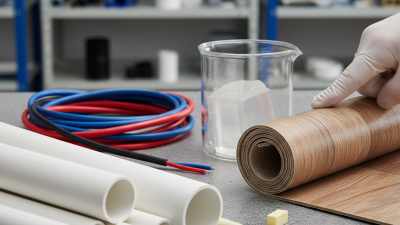
When researching potential PVC suppliers in your industry, start by identifying key features. Look for manufacturers that prioritize quality and environmental standards. Their certifications can indicate reliability. Visit their websites to examine product offerings and technical specifications. Pay attention to product samples, which are essential in assessing quality.
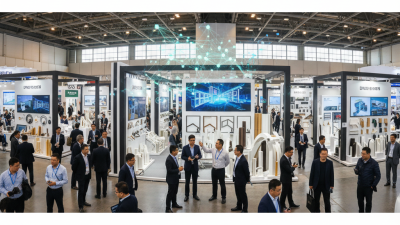
Networking can provide valuable insights into supplier performance. Attend trade shows or industry conferences. Engaging with peers can lead to recommendations. Don't overlook online forums or industry groups. These platforms may reveal which suppliers have a strong reputation. Initial impressions can sometimes mislead. Talk to previous clients for their experiences.
Finally, compare pricing, delivery times, and terms. An attractive price doesn't always mean the best choice. Analyze the total cost of ownership instead. Review contracts carefully to avoid hidden fees. Assessing a supplier's customer service is also crucial. Poor support can complicate future business interactions.
How to Find the Best Extruded PVC Suppliers for Your Business?
| Supplier Location |
Experience (Years) |
Production Capacity (Tons/Month) |
Certifications |
Customer Rating (Out of 5) |
| North America |
15 |
500 |
ISO 9001, ASTM |
4.7 |
| Europe |
20 |
600 |
ISO 14001, CE |
4.5 |
| Asia |
10 |
750 |
ISO 9001, RoHS |
4.6 |
| South America |
8 |
300 |
ISO 9001, BRC |
4.3 |
| Africa |
5 |
200 |
ISO 9001 |
4.1 |
Evaluating Supplier Credentials and Certifications
When searching for the best extruded PVC suppliers, examining their credentials is crucial. Certificates from recognized organizations indicate reliability. Look for ISO certifications, which show manufacturers meet international quality standards. Quality certifications increase confidence in product consistency and safety.
Tips for evaluating suppliers: Verify their certifications. Contact certifying bodies to confirm credentials. Monitor the supplier's history in the industry. Longer experience often leads to better service. Check for testimonials from previous clients to gauge satisfaction.
Additionally, consider their compliance with environmental standards. Sustainable practices enhance a supplier’s reputation. Ask them about their waste management and recycling processes. Suppliers who prioritize eco-friendly methods often show commitment and responsibility. Negative feedback can reveal issues. Reflect on the concerns raised by past clients before making a decision.
Comparing Pricing and Quality Among Suppliers
When searching for extruded PVC suppliers, comparing pricing and quality is crucial. Prices can vary significantly, often leading to confusion. Some suppliers might offer lower prices but compromise on material quality. This trade-off can impact your business in the long run. It’s important to evaluate both aspects carefully.
Many businesses overlook the importance of testing samples. Requesting product samples helps assess the quality firsthand. Look for durability, flexibility, and finish. Sometimes, suppliers with higher prices provide superior quality. Establishing a balance between cost and quality can help in long-term savings.
Business relationships also play a role. Suppliers with robust communication and support often lead to better experiences. Trust is built over time, and sometimes, the best choice isn’t the cheapest. Reflecting on past choices can give insights into what works best. Each decision shapes your supply chain and impacts overall business performance.
Establishing a Long-Term Relationship with Your Chosen Supplier
Establishing a long-term relationship with your extruded PVC supplier can greatly benefit your business. According to industry reports, companies with strong supplier relationships experience up to 20% lower costs and improved product quality. Trust plays a key role in this dynamic. When both parties understand each other's needs, it fosters loyalty and mutual growth.
Effective communication is crucial. Schedule regular check-ins to discuss production timelines and quality standards. Research indicates that 70% of successful partnerships stem from open dialogue. Ensure your supplier knows your product specifications and market trends. This proactive approach helps in minimizing supply chain disruptions.
However, it's essential to maintain a balance. Overdependence on a single supplier can lead to vulnerabilities. Diversifying your supplier base can mitigate risks. Reflect on your experiences and adjust your strategy as needed. Consider potential risks in supplier operations, especially in global supply chains, which can be unpredictable. Staying informed and adaptable will lead to a more resilient partnership.