

Top 10 Plastic Raw Materials in China for Global Buyers?
In the rapidly evolving world of manufacturing, understanding plastic raw materials is crucial for global buyers. Dr. Emily Wang, a leading expert in polymer science, states, "Understanding the landscape of plastic raw materials can drive innovation and sustainability." This insight highlights the importance of being informed.
China stands as a giant in the production of plastic raw materials. Its dominance offers a range of options for businesses worldwide. The complexity of these materials, from PVC to PET, allows for diverse applications. Each type carries unique properties that can impact the final product’s quality.
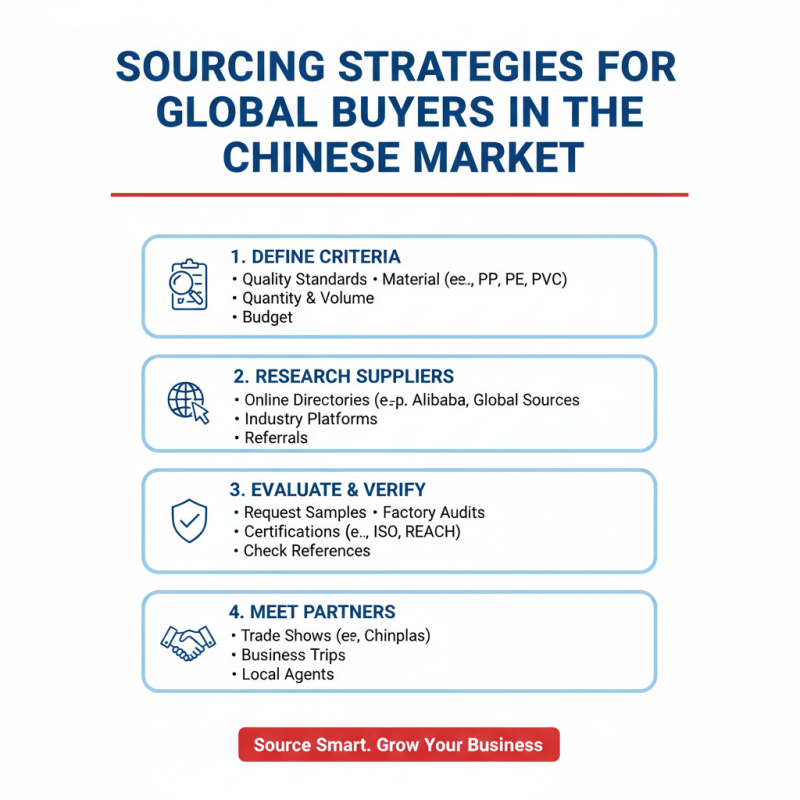
Buyers must navigate through various suppliers and types. Transparency in sourcing is vital. Some suppliers may prioritize cost over quality, leading to inconsistent outcomes. This creates a challenge for buyers in maintaining standards. As the demand for sustainable solutions rises, the industry faces pressure to innovate. Understanding the top plastic raw materials in China can empower businesses to make smarter choices while fostering responsible practices.

Table of Contents
[Hide]
Overview of Plastic Raw Materials Used in China
China is a significant player in the global plastic industry. In 2022, it accounted for over 30% of the world's plastic production. The country's diverse range of plastic raw materials includes polyethylene (PE), polypropylene (PP), and polyvinyl chloride (PVC). These materials are essential for various applications, from packaging to construction.
Polyethylene is the most widely used plastic in China, with production exceeding 20 million metric tons annually. It is favored for its versatility and durability. Polypropylene, with its growing demand in the automotive and consumer goods sectors, has also shown impressive growth, reaching a production volume of over 18 million metric tons in the same year. PVC remains crucial for the construction industry, with significant usage in piping and profile applications.
However, challenges exist. The industry faces scrutiny over environmental concerns. The reliance on single-use plastics and waste management practices is under reflection. Reports from industry experts indicate that the push for sustainable materials is rising. The shift towards recycled plastics and biodegradable options indicates a changing landscape in material sourcing. These developments signal a need for continuous innovation and adaptation within the sector.
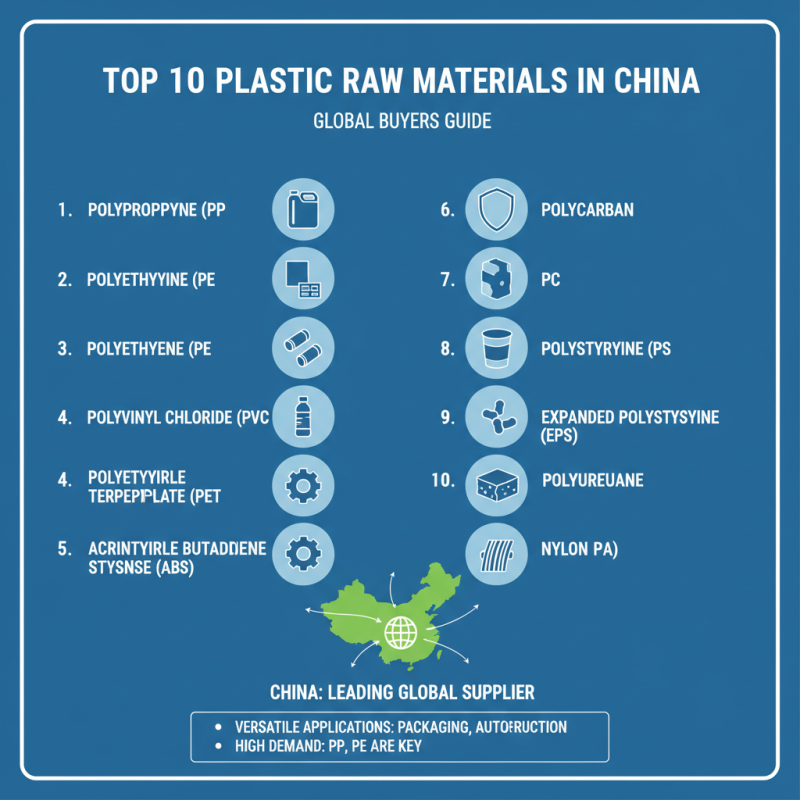
Top 10 Plastic Raw Materials in China for Global Buyers
| Rank | Material Type | Usage | Market Demand | Yearly Production (Tons) |
|---|---|---|---|---|
| 1 | Polyethylene (PE) | Packaging, Containers | High | 8000000 |
| 2 | Polypropylene (PP) | Automotive Parts, Textiles | Medium | 7000000 |
| 3 | Polyvinyl Chloride (PVC) | Construction, Electrical | Medium | 5000000 |
| 4 | Polystyrene (PS) | Packaging, Electronics | Medium | 4000000 |
| 5 | Acrylonitrile Butadiene Styrene (ABS) | Consumer Goods, Automotive | High | 3500000 |
| 6 | Polyamide (Nylon) | Textiles, Automotive | Medium | 2600000 |
| 7 | Polycarbonate | Electronics, Optical Discs | Medium | 2300000 |
| 8 | Polyurethane (PU) | Foams, Adhesives | High | 2100000 |
| 9 | Polyethylene Terephthalate (PET) | Bottles, Textiles | High | 2000000 |
| 10 | Ethylene Vinyl Acetate (EVA) | Footwear, Thermal Insulation | Growing | 1800000 |
Related Posts
-
Top 10 Plastic Raw Materials Used in the Manufacturing Industry Today
-

Top Uses of Plastic Raw Material in Modern Industries and Their Impact
-
How to Choose the Right Plastic Granules for Your Projects in 2026?
-
10 Essential Tips for Selecting Rigid PVC Pipe: Maximize Durability and Performance Based on Industry Standards
-
Understanding PVC Flexible Materials: The Versatile Choice for Your Next Project
-

2025 Top Uses for PVC Plastic You Need to Know About