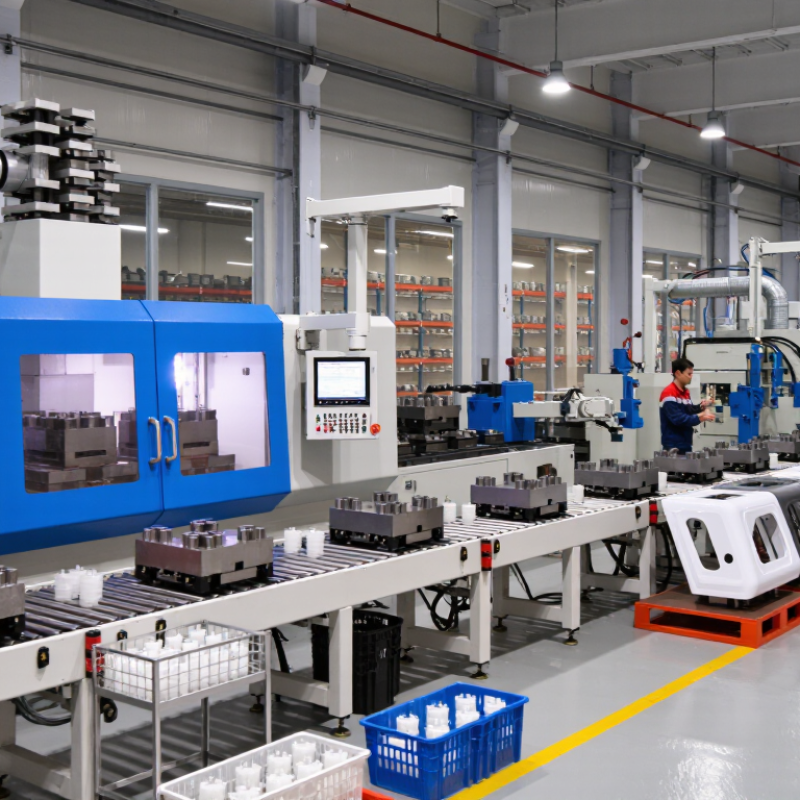
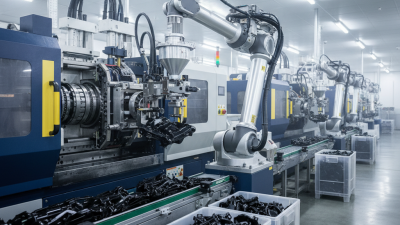
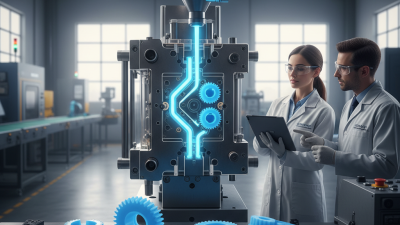
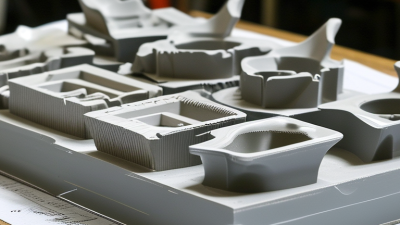
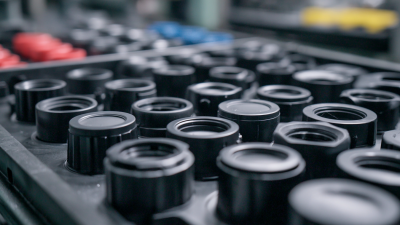
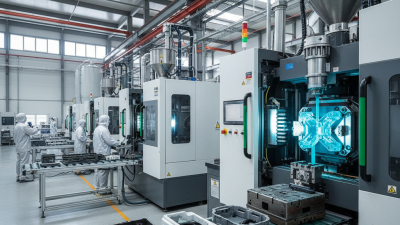
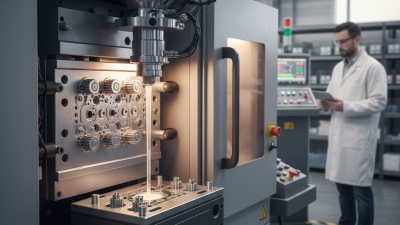
Choosing the right injection molding process can shape product quality, tooling cost, and supply-chain stability. For global buyers, the decision involves more than selecting a familiar machine. Resin behavior, part geometry, annual volume, surface finish, and regional production capacity all matter. A thin medical housing may need tight process control, while a large automotive panel may require gas assistance or structural foam. Small errors matter.
John Bozzelli, founder of Scientific Molding, is often quoted as saying, “If you don’t know the melt temperature, you don’t know the process.” This practical view reflects an important purchasing reality. Buyers should request measurable process data, not only attractive samples. Ask about melt temperature, mold temperature, injection speed, cooling time, cavity balance, and inspection methods. Then compare the evidence.
This guide examines ten widely used injection molding process types, including conventional thermoplastic molding, insert molding, overmolding, two-shot molding, gas-assisted molding, and micro molding. Each method offers advantages, but none suits every application. That assumption fails.
We will connect process selection with material compatibility, tooling design, production scale, tolerances, recyclability, and supplier experience. Global sourcing adds further questions about validation, documentation, maintenance support, and consistent output between factories. Some comparisons remain judgment calls. Real projects rarely follow perfect textbook conditions. A reliable buyer therefore evaluates both technical performance and manufacturing risk before approving a quotation.
Top 10 Injection Molding Process Types for Global Buyers
Injection molding begins with heated material entering a shaped mold under controlled pressure. After cooling, the part is ejected and inspected. This cycle sounds simple, but small changes affect strength, appearance, and cost. Process classification helps buyers compare suitable methods instead of choosing by price alone.
The ten common types include conventional thermoplastic molding, insert molding, overmolding, two-shot molding, gas-assisted molding, foam injection molding, micro-injection molding, liquid silicone molding, reaction injection molding, and metal injection molding. Each method solves a different production problem. Insert molding combines plastic with metal components. Overmolding adds a soft grip or protective layer. Two-shot molding creates multiple materials or colors in one component. Gas-assisted methods reduce weight and may limit sink marks. Metal injection molding requires later debinding and sintering. Classification should also consider material, mold structure, part size, tolerance, and annual volume. I have seen projects fail because buyers selected a process before checking wall thickness. That mistake is easy to repeat.
Tips: Request sample parts, material data, and a dimensional inspection plan. Ask how the supplier controls moisture, mold temperature, and cooling time. Confirm the expected cycle time and allowable cosmetic defects. A lower unit price may hide expensive tooling changes. Be careful with complex surfaces. They often need more testing than drawings suggest. Small trial runs reveal problems early, although they cannot predict every production variation.
Typical cycle-time midpoint by process type. The values represent generalized industry operating ranges and are intended for process comparison rather than machine sizing.
Conventional thermoplastic injection molding is usually selected for high-volume production, while insert molding, overmolding, and two-shot molding support integrated or multi-material parts. Gas-assisted and structural-foam processes reduce weight, micro injection molding targets very small components, and liquid silicone, reaction injection, and powder injection molding serve specialized material and product requirements.
Top 10 Injection Molding Process Types for Global Buyers
Ten injection molding types serve different global industries, from medical devices to vehicle interiors. Conventional hydraulic molding remains practical for large parts and stable production. Electric molding offers cleaner operation, repeatable dosing, and lower idle energy use. Hybrid machines balance hydraulic force with electric control. Two-shot molding combines two materials or colors in one cycle. Insert molding locks metal or electronic components inside plastic parts.
Overmolding adds a soft grip around a rigid core. Gas-assisted molding reduces weight and can create hollow sections. Structural-foam molding produces thicker parts with lower material stress. Micro injection molding supports miniature components with tight dimensional control. Liquid silicone rubber molding suits flexible seals, valves, and medical-grade components. Each method needs suitable tooling, material drying, temperature control, and process validation.
PlasticsEurope reported global plastics production of about 413.8 million tonnes in 2023. That scale explains the continuing demand for efficient molding systems. A 2024 market analysis also projects steady growth for injection molding equipment through the next decade, with annual growth near 4% to 5%. However, forecasts vary between reports. Buyers should not treat market numbers as guarantees. In production audits, small issues often matter more than machine labels. Uneven cooling can cause warpage. Poor venting can leave burn marks. The cheapest cycle may create expensive rejects. Trial parts, mold-flow analysis, and documented quality checks remain essential before global purchasing decisions.
Top 10 Injection Molding Process Types for Global Buyers
Material, tooling, and equipment decisions should match the molding process, not only the product drawing. Conventional injection molding suits thermoplastics, steel molds, and standard hydraulic or electric machines. Insert molding needs accurate fixtures and secure metal or electronic inserts. Overmolding requires compatible materials, controlled bonding surfaces, and molds with precise positioning features.
Two-shot molding uses a rotary or indexed tool with independent injection units. Gas-assisted molding needs gas-control equipment and carefully designed channels. Foam injection requires chemical or physical foaming control, plus molds that manage expansion. Micro molding demands high-precision tools, stable material drying, and sensitive process monitoring. Liquid silicone molding uses heated molds, metering systems, and clean material handling. Reaction injection molding depends on accurate mixing, temperature control, and large mold clamping capacity. Compression-assisted processes may require different pressure profiles than standard injection equipment.
Tips: Confirm resin drying limits, shrinkage, and tool steel before ordering equipment. Check whether the machine can control injection speed, pressure, and mold temperature independently. Ask for sample parts under real production conditions. A small trial often reveals hidden issues. Do not trust a perfect simulation alone. In my experience, global buyers sometimes specify premium tooling too early, then discover that the material or equipment cannot support the intended cycle time. That mistake is costly, but it is also avoidable through documented trials, inspection records, and supplier process reviews.
| Process Type | How the Process Works | Typical Materials | Tooling Requirements | Equipment Requirements | Best-Fit Applications | Buyer Considerations |
|---|---|---|---|---|---|---|
| 1. Conventional Thermoplastic Injection Molding | Thermoplastic pellets are melted, injected into a closed mold, packed under pressure, cooled, and ejected as a solid part. |
PP
ABS
PE
PA
PC
POM
PBT
Filled grades may contain glass fiber, mineral filler, or flame-retardant additives. |
Hardened or pre-hardened steel molds for high volume; aluminum or soft steel may be used for prototypes and low-volume production. Requires runners, gates, cooling channels, ejectors, and suitable draft angles. | Standard reciprocating-screw injection molding machine, material hopper, dryer when required, mold temperature controller, cooling unit, and auxiliary granulator or material loader. | Housings, automotive components, consumer products, electrical parts, packaging closures, industrial components, and general-purpose precision parts. |
High scalability Usually the lowest unit cost at medium-to-high volumes. Material drying, shrinkage, weld lines, warpage, and mold cooling must be controlled. |
| 2. Insert Molding | Metal, ceramic, or preformed plastic inserts are positioned in the mold before thermoplastic material is injected around or onto them. | Thermoplastics such as PP, PA, PBT, PC, ABS, and POM; inserts commonly include stamped metal, machined metal, threaded components, terminals, or magnets. | Mold must securely locate and support each insert while allowing material to flow around it. Requires insert pockets, retention features, venting, insulation where needed, and allowance for thermal expansion. | Standard injection machine plus manual loading, pick-and-place automation, robotic insertion, or rotary indexing equipment. Vision inspection may be used for insert presence and orientation. | Electrical connectors, threaded components, bushings, sensor housings, structural brackets, knobs, and parts requiring reinforced attachment points. |
Medium automation complexity Improves assembly efficiency but requires accurate insert tolerances, reliable placement, strong mold retention, and controls to prevent short shots or damaged inserts. |
| 3. Overmolding | A second material is molded over a previously molded substrate to create a combined part with functional, protective, or ergonomic layers. | Rigid thermoplastics combined with TPE, TPU, silicone, or a second compatible thermoplastic. Material compatibility and surface adhesion are critical. | Two-stage or modular tooling with accurate substrate location, shut-offs, sealing surfaces, and controlled overmold thickness. The mold must prevent flash along the substrate interface. | Single-material machine for sequential molding, or two-material machine with rotary, transfer, or movable-core tooling. Requires precise temperature and process control between shots. | Soft-touch handles, grips, seals, protective covers, medical components, wearable products, cable strain reliefs, and vibration-isolation parts. |
Material compatibility required Bond strength, shrinkage differences, substrate cleanliness, cycle time, and cosmetic transitions should be validated through adhesion and durability testing. |
| 4. Two-Shot or Multi-Component Molding | Two or more materials or colors are injected in a controlled sequence within one integrated production cycle. | Compatible combinations such as rigid thermoplastic plus TPE, two compatible thermoplastics, or multiple colors of the same polymer family. | Rotary, index-plate, core-back, transfer, or movable-cavity tooling. Requires accurate alignment, separate flow systems, independent cooling zones, and reliable sealing between material areas. | Two-component injection molding machine with separate injection units, synchronized controls, and specialized mold rotation or transfer mechanisms. | Multi-color consumer parts, illuminated controls, sealed assemblies, ergonomic handles, automotive interior components, and integrated functional surfaces. |
Specialized equipment Reduces secondary assembly but has higher mold and machine costs. Gate location, shot balance, material bonding, and color contamination require close control. |
| 5. Gas-Assisted Injection Molding | Partially filled polymer is followed by pressurized inert gas, usually nitrogen, which forms internal channels or pushes material against the mold wall. | Commonly PP, ABS, PC/ABS, PA, POM, and other thermoplastics with suitable melt strength and processing stability. | Gas injection nozzles or pins, controlled gas passages, suitable venting, and mold geometry designed for gas penetration. Mold sealing and pressure resistance are important. | Injection molding machine with gas controller, high-pressure nitrogen supply, gas injection valves, pressure sensors, and process monitoring software. | Thick or hollow handles, large automotive parts, structural components, tubing-like parts, and products requiring lower weight without completely foamed material. |
Process-sensitive Can reduce weight, sink marks, and clamp-force requirements, but gas pathways, wall-thickness transitions, and pressure profiles must be developed carefully. |
| 6. Water-Assisted Injection Molding | High-pressure water is injected into a polymer melt to create hollow sections or displace material from the center of a thick part. | Suitable thermoplastics include PP, PA, PBT, and selected engineering polymers with adequate melt strength and controlled moisture behavior. | Mold must accommodate water injection pins, drainage or recovery paths, corrosion-resistant components, and sealing features capable of handling high-pressure water. | Injection molding machine with water pressure unit, high-pressure pump, water reservoir, temperature control, filtration, recovery system, and process sensors. | Hollow tubes, fluid-carrying components, long automotive parts, handles, lightweight structural sections, and parts requiring internal channels. |
Specialized infrastructure Offers efficient hollowing and short cooling times in suitable geometries. Corrosion control, water management, sealing, and process repeatability are essential. |
| 7. Structural Foam Injection Molding | A physical or chemical blowing agent creates a cellular core while the outer surface forms a relatively dense skin. | PP, ABS, HDPE, PA, PC/ABS, and other thermoplastics compatible with the selected foaming system. | Mold should provide controlled filling, suitable venting, robust part ejection, and sufficient cavity pressure tolerance. Gas counter-pressure tooling may be used for improved surface quality. | Injection molding machine with plasticizing capability for the foaming system, gas dosing or chemical-agent feeding equipment, and optional gas counter-pressure controls. | Large housings, pallets, equipment covers, automotive structures, furniture components, and parts requiring reduced weight and increased stiffness. |
Moderate-to-specialized process Reduces material consumption and clamp-force demand, but surface appearance, dimensional stability, cell structure, and density distribution must be specified. |
| 8. Micro Injection Molding | Very small, lightweight, or highly precise components are molded using extremely small shot sizes and tightly controlled process parameters. | Engineering thermoplastics such as PA, PEEK, PC, POM, LCP, PPS, and medical-grade or specialty grades where applicable. | High-precision mold inserts, micro-gates, fine venting, polished or textured micro-features, and specialized ejection systems. Mold alignment and cavity wear must be tightly controlled. | Micro-injection machine or precision machine with a small injection unit, accurate screw or plunger metering, high-resolution sensors, and automated part handling. | Medical devices, miniature gears, micro-connectors, laboratory components, optical parts, electronics, and precision fluidic components. |
High precision requirement Tooling cost can be high relative to part size. Buyers should define dimensional tolerances, gate vestige limits, contamination controls, inspection method, and yield targets. |
| 9. Reaction Injection Molding (RIM) | Two or more low-viscosity reactive liquid components are metered, mixed, and injected into a mold where they chemically react and cure. | Mainly polyurethane systems, including rigid, semi-rigid, elastomeric, and reinforced grades. Other reactive resin systems may be used for specialized applications. | Large, relatively low-pressure molds made from aluminum, steel, or suitable tooling materials. Requires controlled vents, overflow areas, seals, and mold temperature management. | Metering and mixing unit, heated chemical storage tanks, high-pressure or impingement mixing head, temperature controls, mold handling equipment, and ventilation systems. | Large automotive body parts, equipment housings, enclosures, architectural components, protective structures, and low-to-medium-volume large parts. |
Suitable for large parts Provides low injection pressure, good surface area capability, and relatively low tooling cost. Chemical ratio, moisture control, cure time, and worker safety require strict management. |
| 10. Liquid Silicone Rubber (LSR) Injection Molding | Two liquid silicone components are metered and mixed, injected into a heated mold, and rapidly cured into an elastomeric part. | Liquid silicone rubber in different hardness levels, including transparent, pigmented, electrically insulating, medical, and high-temperature grades. | Highly polished or textured steel molds with cold runners, precise shut-offs, fine venting, and controlled flash-prevention features. Mold temperature uniformity is critical. | LSR metering and mixing system, cooled material supply, static mixer, heated injection mold, automatic demolding equipment, and clean production area where required. | Seals, gaskets, valves, diaphragms, keypads, baby-care products, medical components, wearable parts, and heat-resistant electrical protection components. |
Specialized material handling Excellent temperature resistance, flexibility, and durability. Buyers should verify cure chemistry, post-curing needs, flash limits, cleanliness requirements, and pigment compatibility. |

Global buyers rarely choose a molding process by unit price alone. The ten common options include conventional, two-shot, insert, overmolding, gas-assisted, foam, micro, thin-wall, structural-foam, and reaction-injection molding. Each option affects tooling, inspection, cycle time, and scrap risk. Grand View Research’s 2024 market report estimates global injection-molded plastics revenue at about US$318 billion in 2023. That scale hides major differences between a 5,000-piece trial and a 5-million-piece program. Quality requires resin traceability, mold-flow validation, dimensional capability, and documented first-article checks. Do not accept “±0.05 mm” without a datum scheme and measurement method.
Tips: Request separate quotes for tooling, parts, inspection, maintenance, and freight. Ask suppliers to show cycle time using your actual resin and part geometry. Compare kWh per kilogram, because the U.S. Department of Energy identifies plastics manufacturing as an energy-intensive sector. A cheaper mold may create longer cycles. Small detail. Big cost.
For high-volume parts, thin-wall or multi-cavity molding can reduce labor and improve consistency, but it increases mold complexity and balancing risk. Insert molding and overmolding may reduce assembly labor, yet they demand tighter alignment controls. The OECD’s Global Plastics Outlook reports that global plastics production reached 460 million tonnes in 2019. That figure supports stronger material tracking, but it does not prove one process is automatically greener. My practical concern is often overlooked: suppliers may optimize the first 10,000 parts, not the next five million. Require capability data from sustained production, not only polished samples.
International buyers rarely choose an injection molding process from a catalog alone. The best option depends on resin, geometry, volume, tolerance, and supplier capability. In factory audits, I compare ten common routes: hydraulic, electric, hybrid, two-shot, insert, overmolding, gas-assisted, foam, micro, and cleanroom molding. Each solves a different production problem. It rarely is one-size-fits-all.
For high annual volumes, electric or hybrid machines can improve repeatability and energy control. Hydraulic equipment may offer stronger value for larger parts and established tooling. Two-shot molding suits parts needing two materials or colors, while insert molding can reduce assembly steps.
Overmolding protects grips, seals, and electronic housings. Gas-assisted and foam methods reduce weight, but they demand careful mold and pressure studies. Micro molding requires exceptional measurement discipline. Cleanroom molding adds contamination controls, not just a different machine.
Before requesting quotations, send 3D files, resin grades, forecast volumes, tolerance tables, and packaging requirements. Ask how the supplier validates cavity balance, cooling time, warpage, and first-article results. I also request trial-shot records and maintenance history when available. Small details matter: a 0.2-millimeter sink mark can fail a visible panel. Do not compare unit prices alone. Tool steel, cycle time, inspection labor, freight protection, and expected tool life change the landed cost. My own reviews are not perfect; early volume forecasts are often too optimistic. Recheck them against realistic launch demand. Ask early. Change later.