Top PVC Powder Suppliers How to Choose the Best One?
Choosing among the top PVC powder suppliers requires more than comparing prices on a spreadsheet. Product consistency, technical support, delivery reliability, and regulatory discipline can directly affect production efficiency. A slightly cheaper resin may create screen blockage, uneven melt flow, or visible surface defects in finished profiles.
Industry data shows why supplier evaluation matters. PlasticsEurope reported global plastics production of approximately 400.3 million tonnes in 2022, confirming the scale and competitiveness of the materials industry. PVC remains important in construction, piping, cables, packaging, and medical applications. Market studies from Grand View Research and Mordor Intelligence also identify construction demand and infrastructure investment as major PVC market drivers. However, market growth does not guarantee equal quality among suppliers.
A dependable pvc powder supplier should provide a clear technical data sheet, batch certificate, K-value information, particle-size distribution, residual VCM statement, and packaging details. Ask for samples tested under your actual processing conditions. Check whether the supplier controls calcium carbide or ethylene-based production routes, because raw-material sources can influence consistency and traceability. Supply records matter, too. Review lead times, export experience, storage conditions, and responses to quality complaints.
No supplier is perfect. That matters.
A practical audit should compare at least three suppliers using the same checklist. Confirm compliance with applicable REACH, RoHS, food-contact, or local standards when relevant. Request recent test results rather than broad marketing claims. A reliable partnership is built through evidence, transparent communication, and repeatable performance, not attractive quotations alone.
Understanding PVC Powder and Its Main Applications
Top PVC Powder Suppliers: How to Choose the Best One?
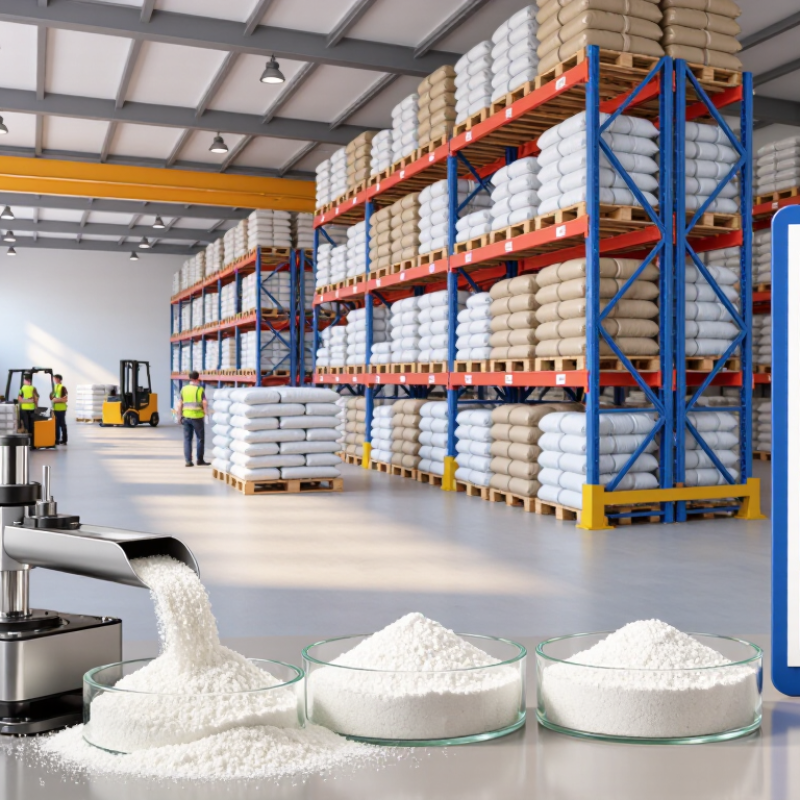
Understanding PVC powder starts with its structure and processing behavior. PVC powder is a white, free-flowing resin used in many industrial products. Its performance depends on K-value, particle size, purity, and thermal stability. These details influence melting, strength, flexibility, and surface finish.
Different applications require different grades. Rigid PVC powder supports pipes, window profiles, wall panels, and construction boards. Flexible grades work with plasticizers for cable coatings, flooring, synthetic leather, and medical tubing. Some products need smooth extrusion. Others need strong impact resistance or stable color. The right supplier should explain these differences clearly, not simply offer the lowest price.
Ask for a current certificate of analysis and batch traceability. Check residual monomer levels, moisture, bulk density, and viscosity values. Independent laboratory testing can confirm important claims. It may feel excessive. It often prevents costly production problems. During factory trials, evaluate feeding, fusion time, torque, odor, and final appearance. A powder may perform well in a sample but behave differently during continuous production. That gap deserves attention.
Reliable suppliers also provide consistent packaging, storage guidance, and technical support. Sealed bags should remain dry and protected from heat. Poor storage can cause lumps and uneven feeding. Review delivery records and complaint handling procedures. Price matters, but consistency usually matters more. A supplier that answers difficult questions is often more useful than one offering impressive specifications alone.
Key Factors for Evaluating PVC Powder Suppliers
Choosing a PVC powder supplier requires more than comparing quoted prices.
The grade must match your process, equipment, and finished product requirements. Ask for technical data covering K-value, particle size, bulk density, residual volatiles, and thermal stability. These figures affect fusion, flow, surface finish, and production consistency. Request recent certificates of analysis, not only a general product brochure. A reliable supplier can explain test methods and acceptable variation clearly. Small details matter.
Practical experience becomes visible during sampling and trial production. Test representative batches under your actual mixing and processing conditions. Observe feeding behavior, fusion time, melt appearance, and scrap levels. Record results instead of trusting a single successful run. Check whether the supplier keeps batch records and offers lot traceability. Ask how complaints are investigated and how corrective actions are documented. Vague answers deserve caution. I would also inspect packaging, storage controls, and moisture protection, because damaged bags can create avoidable processing problems.
Technical support should be accessible before and after purchase. Engineers should discuss formulation changes without hiding behind sales language. Confirm production capacity, lead times, export documentation, and backup plans for interruptions. Price still matters, but an unusually low offer may reflect weaker testing or unstable supply. Compare total cost per usable kilogram, including waste and delays. No supplier is perfect. Your evaluation should leave room for overlooked risks, especially when a trial was too small or conditions were unusually favorable. Then choose based on evidence, responsiveness, and repeatable performance.
How to Compare Product Quality, Certifications, and Pricing
When comparing top PVC powder suppliers, product quality should be checked through measurable data, not polished brochures. Ask for a recent certificate of analysis showing K-value, bulk density, particle-size distribution, residual VCM, and whiteness. ASTM D1755 can support PVC resin classification, while ISO 9001 confirms process management rather than resin performance. That distinction matters. A supplier may hold certification but still provide inconsistent batches.
Certifications should match your application and destination market. Request REACH compliance, RoHS declarations, safety data sheets, and independent test records where relevant.
The OECD Global Plastics Outlook reported that global plastics production reached 460 million tonnes in 2019, compared with 234 million tonnes in 2000.
This growth increases the value of traceability and stable technical control. Pricing comparisons should use the same grade, packaging, payment terms, freight basis, and delivery schedule. Check regional benchmarks from the ICIS PVC Price Report, then compare the supplier’s offer against recent market movements.
A low quote may hide higher moisture, inconsistent fusion behavior, or expensive port handling.
I once treated a small price gap as decisive; it was not.
Trial batches, retained samples, and three-month performance records provide stronger evidence than one attractive invoice.
Questions to Ask Before Choosing a PVC Powder Supplier
Top PVC Powder Suppliers: How to Choose the Best One?
Before choosing a PVC powder supplier, ask how the material fits your process. What K-value range can they provide? Is the powder designed for pipes, profiles, flooring, cables, or another application? Request a recent certificate of analysis for each grade. Check particle size, bulk density, whiteness, moisture, and residual monomer levels. Small differences can affect fusion time, surface finish, and production waste.
Ask how the supplier controls batch consistency. Do they test every lot, or only selected batches? Can they provide retained samples for comparison? A reliable supplier should explain its testing equipment, quality procedures, and traceability system. Review the safety data sheet carefully. Confirm that packaging protects the powder from moisture, contamination, and damage during transport. One torn bag can disrupt a clean production area.
Lead time matters too. Ask about minimum order quantities, storage conditions, and emergency supply options. Can the supplier support technical trials when your formulation changes? Clear answers are valuable. Vague promises are not. During an audit, inspect the warehouse if possible, including labels, pallets, and stock rotation. Cost should be compared with total processing performance, not only the invoice price. I have seen purchasing teams focus on price and overlook unstable fusion behavior. That choice looked efficient at first, but it created more rejected products later. Also ask how complaints are investigated and how corrective actions are documented. Good suppliers should welcome difficult questions.
How to Build a Reliable Long-Term Supplier Partnership
Choosing a PVC powder supplier is less about the lowest quotation. Long-term reliability begins with measurable specifications. Ask for K-value, bulk density, particle-size distribution, whiteness, and residual VCM data. Require a lot-specific certificate of analysis, not a recycled template. Request three recent batches and compare them in your own formulation. Small tests matter.
Grand View Research valued the global PVC market at USD 45.79 billion in 2023, highlighting a large, competitive supply base. Yet market size does not prove supplier quality.
The OECD’s Global Plastics Outlook reports that 460 million tonnes of plastics were produced in 2019, although this figure is not PVC-specific.
A wider market increases sourcing options, but it can also create inconsistent communication. Build a shared operating rhythm. Send a rolling six-month forecast, define minimum safety stock, and agree on shipment alerts. Discuss resin allocation before a shortage appears.
During supplier audits, inspect storage conditions, moisture control, labeling, traceability, and retained samples. Confirm whether the supplier can explain a batch deviation within one working day. That response shows maturity.
Price reviews should use written triggers, such as feedstock movements, freight changes, or agreed quality costs. Informal promises create friction later.
Track on-time delivery, complaint closure, batch consistency, and forecast accuracy each quarter. Use a simple scorecard, then meet when results fall below the agreed threshold.
Do not rely on certificates alone. Independent testing of selected lots can uncover subtle processing differences. A weakness remains: buyers often audit heavily at the start, then stop measuring. That habit undermines trust.
Keep an approved backup source, even when the primary relationship feels comfortable.