China Top Injection Molding Pellets for Global Buyers Guide?
In the realm of manufacturing, **injection molding pellets** play a pivotal role. These small, versatile plastic materials are essential for producing a wide array of products, from automotive components to intricate medical devices. As global demand rises, understanding where to source high-quality pellets becomes crucial for buyers.
China has emerged as a leading player in this market. The country offers a vast selection of **injection molding pellets** that meet diverse industrial needs. Buyers must navigate this landscape carefully, considering various factors such as material quality, supplier reliability, and cost-effectiveness.
It's important to recognize that not all suppliers provide the same standard. Engaging with trusted sources ensures access to superior products. This intricate market demands attention to detail, and buyers should reflect on their choices to avoid pitfalls. Embracing this approach can lead to better outcomes in production efficiency and product integrity.
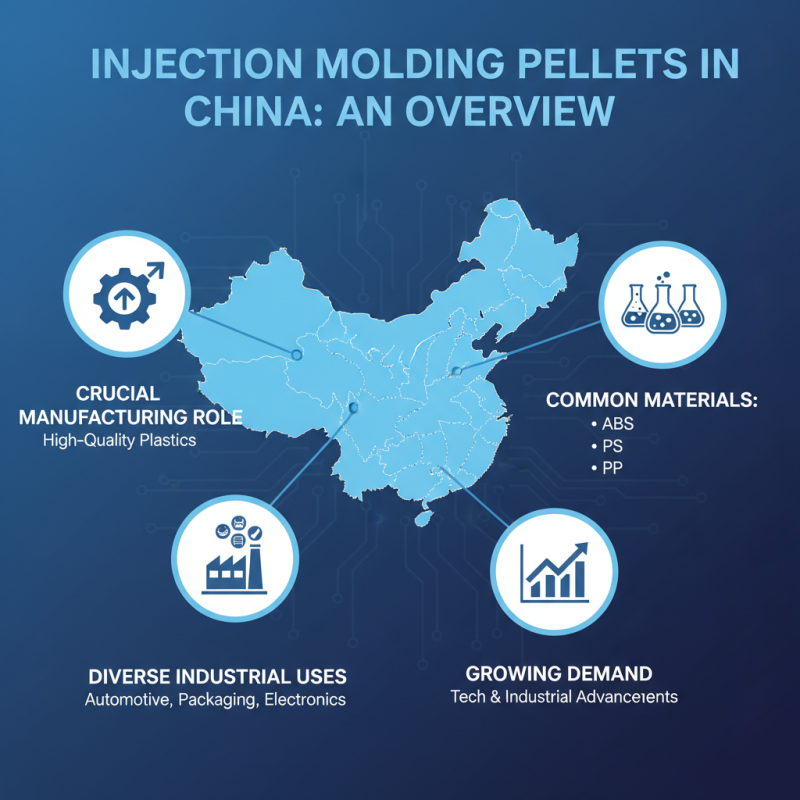
Overview of Injection Molding Pellets in China
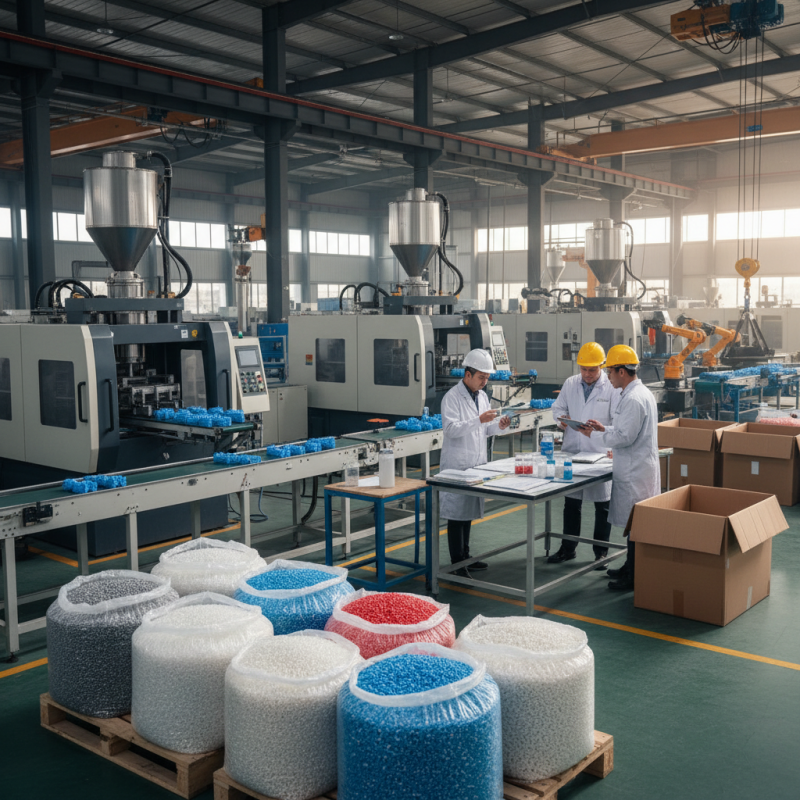
Injection molding pellets play a crucial role in the manufacturing process. In China, these pellets are produced from high-quality plastics. They come in a variety of materials, like ABS, PS, and PP. Each type of pellet serves different purposes in various industries. The demand for these pellets is growing, driven by advancements in technology and industrial applications.
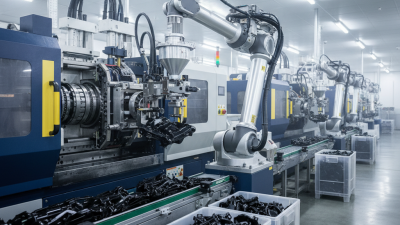
China’s pellet production facilities are equipped with modern machinery. This ensures consistency and quality assurance in the production process. However, challenges exist. Some manufacturers may cut corners to reduce costs, impacting quality. Buyers should conduct thorough research before partnering with suppliers. Understanding the characteristics of different pellets helps in making informed choices.
Additionally, the environmental impact of injection molding cannot be ignored. Some processes produce waste that can be harmful. Buyers should seek suppliers committed to sustainable practices. This not only benefits the planet but also enhances brand reputation. Transparency in sourcing materials is increasingly valued across global markets.
Types of Injection Molding Pellets Available in the Market
Injection molding pellets are essential for manufacturing various plastic products. Different types serve specific applications. Understanding these options is crucial for global buyers.
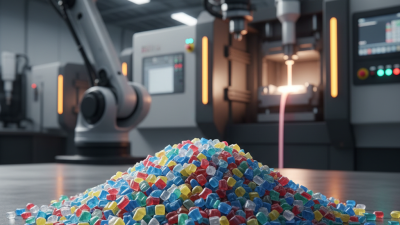
Polypropylene (PP) pellets are widely used due to their durability and resistance to chemicals. They are lightweight and versatile. Another common type is Acrylonitrile Butadiene Styrene (ABS). ABS pellets offer excellent impact resistance and are ideal for automotive and consumer electronics. These materials can be colored easily, providing flexibility in design.
Polyethylene (PE) pellets come in several grades. High-density polyethylene (HDPE) is known for its strength. Low-density polyethylene (LDPE) is more flexible and used in packaging. Each pellet type has distinct properties that affect production methods and final product quality. Buyers may feel overwhelmed by choices. It’s important to align material selection with project requirements. Decisions based on aesthetic or cost alone may lead to unforeseen challenges in production performance.
Key Manufacturers and Suppliers of Injection Molding Pellets in China
China has become a pivotal player in the global market for injection molding pellets. With a projected market growth of over 5% annually, the demand for high-quality pellets continues to rise. Key manufacturers in the region, noted for their robust production capabilities, cater to a diverse range of industries, including automotive and consumer goods. Reports indicate that China’s production capacity stands at around 12 million tons annually, making it a dominant force in this sector.
In terms of suppliers, research highlights that there are several prominent companies contributing significantly to the market. They not only provide various types of pellets but also focus on enhancing the quality and efficiency of their production processes. This emphasis on innovation aligns with the growing need for sustainable materials. Many suppliers are now exploring biocompatible options, reflecting a shift toward more environmentally responsible practices.
Tip: Always verify the production standards of suppliers. Quality assurance measures are essential for ensuring that the pellets meet industry requirements.
Understanding the diverse range of products is important. Polypropylene, polyethylene, and polystyrene pellets are among the most widely used. Each type serves a unique purpose in application. However, some suppliers may not disclose complete information about their materials. This can lead to challenges in production quality.
Tip: Engage with suppliers upfront. Clear communication helps to avoid misconceptions and ensures product suitability.
China Top Injection Molding Pellets for Global Buyers Guide
| Category |
Material Type |
Application |
Supply Capacity (tons/year) |
Average Price (USD/kg) |
| Thermoplastic |
Polypropylene (PP) |
Packaging |
20000 |
1.50 |
| Thermoplastic |
Polyethylene (PE) |
Consumer Goods |
15000 |
1.20 |
| Thermoplastic |
Polyvinyl Chloride (PVC) |
Construction |
18000 |
1.80 |
| Thermoset |
Epoxy |
Electronics |
10000 |
2.50 |
| Bioplastics |
PLA |
Disposable Products |
12000 |
2.00 |
Quality Standards and Certifications for Injection Molding Pellets
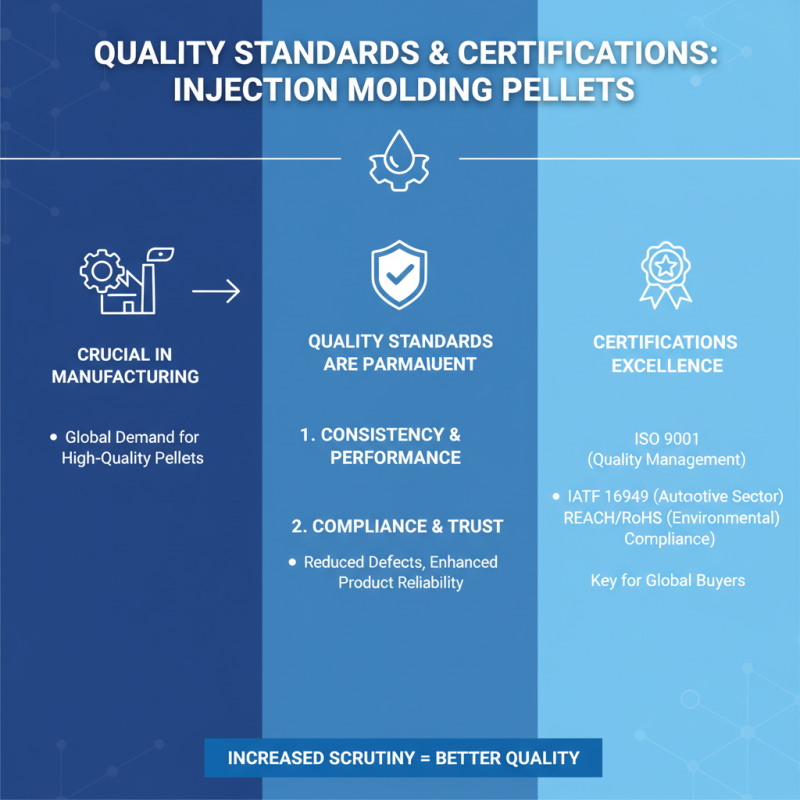
Injection molding is crucial in manufacturing. Quality standards for injection molding pellets are paramount for global buyers. Certifications ensure compliance and performance. The rise in demand for high-quality pellets has led to increased scrutiny of these standards.
In a 2023 market report by Smithers, over 30% of global buyers emphasize the importance of material certification. Recognized certifications include ISO 9001 and ISO 14001. These certifications reflect quality management systems and environmental responsibility. They are vital for maintaining consistency in production. Without these standards, defects can arise, potentially impacting production timelines and costs.
Moreover, as regulations evolve, suppliers face challenges. Keeping up with the latest certification requirements is essential. Over 40% of manufacturers reported difficulties in adapting to new standards. This situation necessitates ongoing education and training. Buyers must verify suppliers' certifications before making decisions. Trust builds on transparency and compliance. Investing time in due diligence can prevent costly mistakes in the long run.
Tips for Global Buyers Importing Chinese Injection Molding Pellets
When importing injection molding pellets from China, buyers must consider quality, cost, and supplier reliability. According to a recent market report, the global injection molding market is projected to grow at a CAGR of 4.5% through 2028. This growth highlights the increasing demand for high-quality pellets.
One practical tip is to verify suppliers' credentials. Many manufacturers claim to provide high-quality materials, but not all can back it up with certifications. Requesting documentation related to industry standards, such as ISO certifications, is crucial. Communication remains essential; a reliable supplier should respond promptly to inquiries.
Cost is another important factor. While lower prices can be tempting, they might indicate inferior quality. A study shows that 30% of buyers experienced issues with low-cost materials, often leading to production delays and scrap rates exceeding 10%. It’s wise to balance cost with quality to avoid potential headaches down the line.
Injection Molding Pellets Import Volume by Region