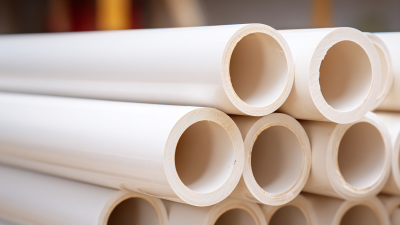
China Best Rigid PVC Pipe Suppliers for Global Buyers?
In the global market for construction materials, rigid PVC pipes are a critical component. These pipes are known for their strength, durability, and versatility. According to industry expert Dr. David Chen, "The demand for rigid PVC pipe is continuously growing due to its exceptional performance in various applications." His insights highlight the importance of selecting the right suppliers in China, where many of the best manufacturers are located.
China's rigid PVC pipe suppliers cater to a diverse range of needs worldwide. They offer a variety of sizes and specifications, ensuring compliance with international standards. However, quality can vary significantly among suppliers. Buyers must conduct thorough research to identify reliable partners. The right choice can enhance project outcomes, while poor selection can lead to costly issues.
Common challenges exist in this industry. Some Chinese manufacturers may prioritize quantity over quality. This can result in subpar products that do not meet buyer expectations. Therefore, it is crucial to seek suppliers with proven track records. Thorough vetting and open communication are essential in this process. Identifying trustworthy partners can mitigate risks and enhance supply chain efficiency. Ultimately, the choice of a rigid PVC pipe supplier can make all the difference in project success.
Overview of Rigid PVC Pipes and Their Applications
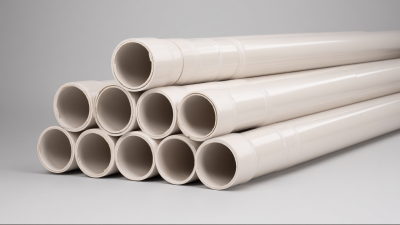
Rigid PVC pipes are known for their durability and versatility. These pipes are commonly used in construction, plumbing, and drainage systems. Their chemical resistance makes them ideal for transporting water and other fluids. Moreover, rigid PVC pipes have a long lifespan, often exceeding 50 years with proper installation.
When choosing rigid PVC pipes, consider the pipe’s thickness and diameter. These factors significantly affect its strength and application. For example, thicker pipes are better for high-pressure systems. Ensure that the pipes meet industry standards for your specific needs. Quality materials can enhance performance in challenging environments.
Installation of rigid PVC pipes requires careful planning. Always ensure that the pipes are properly supported to prevent sagging. Inappropriate installation can lead to future leaks or damage. Regular inspections can help identify potential issues before they escalate. Remember, investing time in proper installation pays off long-term.
Key Characteristics of Quality Rigid PVC Pipes
When selecting rigid PVC pipes, quality is paramount. These pipes are widely used in construction and plumbing applications due to their durability and resistance to corrosion. According to a report by the International Code Council, the demand for PVC pipes is expected to grow by over 5% annually in the next five years. This indicates a robust market that values quality and reliability.
Key characteristics of quality rigid PVC pipes include flexibility in installation and long-lasting performance. A study by the Plastics Pipe Institute notes that high-quality PVC pipes have a tensile strength of at least 7,000 psi. This strength ensures they can endure pressure without bursting, making them suitable for various applications. Furthermore, excellent chemical resistance allows these pipes to handle a wide range of fluids safely.
However, not all rigid PVC pipes meet these standards. Some may lack proper certifications or exhibit variations in quality due to manufacturing processes. It is crucial for buyers to focus on suppliers that adhere to industry standards. A reliable supplier should provide detailed quality assurance processes and certifications. This transparency fosters trust and ensures that the products meet specific performance criteria, ultimately affecting installation and long-term usability.
Top Rigid PVC Pipe Suppliers in China: Market Leaders
In recent years, China's rigid PVC pipe industry has gained significant attention. The country is known for its advanced manufacturing capabilities and competitive pricing. Many suppliers have emerged as leaders in the market, offering a wide range of high-quality products. They cater to both domestic and international buyers, thereby establishing a strong global presence. Rigid PVC pipes are used in various applications, including construction and agriculture. This versatility adds to their popularity.
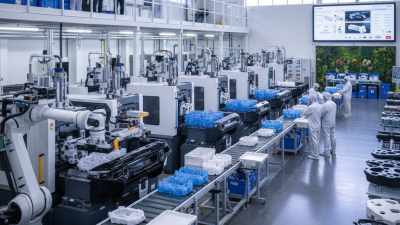
Top suppliers in China combine technology with craftsmanship. They utilize modern techniques to ensure product durability and efficiency. Many prioritize environmental sustainability in their production processes. However, potential buyers should be cautious. Not all suppliers maintain the same standards. Some may lack transparency regarding their manufacturing practices. It's essential for companies to conduct thorough research before making partnerships. Quality assurance and after-sales support are pivotal factors in supplier selection.
The landscape of rigid PVC pipe suppliers in China is dynamic. Market leaders are continually innovating to meet global demands. Yet, the market is not without challenges. Trade regulations and quality discrepancies can create obstacles. Buyers should be well-informed about the market to navigate these issues effectively. Engaging with multiple suppliers can sometimes provide a clearer picture of the landscape.
Global Rigid PVC Pipe Market Overview
Factors to Consider When Choosing a PVC Pipe Supplier
Choosing the right PVC pipe supplier is crucial for project success. Various factors influence this decision. First, consider the supplier’s manufacturing capabilities. Look for suppliers that adhere to international standards like ISO 9001. These certifications ensure product quality and reliability.
Another significant factor is the supplier’s experience in the industry. Data shows that suppliers with over ten years in manufacturing rigid PVC pipes often deliver better durability and performance. Check their portfolio for previous projects. Understanding their expertise can provide insight into their reliability.
Pricing and delivery time are essential too. Competitive pricing is important, but don’t compromise quality for cost. Suppliers with transparent pricing structures typically build trust. Evaluate their lead times, as delays can impact project timelines.
Market trends suggest that suppliers focusing on sustainable practices gain a competitive edge. Many buyers prefer suppliers who provide environmentally friendly options. This not only aligns with global sustainability goals but also reflects well on your brand.
Consider these areas carefully. Reflect on your project requirements and the supplier's strengths. Such introspection ensures a fruitful partnership in the long run.
Global Trends in PVC Pipe Demand and Supply Dynamics
The global demand for PVC pipes is witnessing a significant surge. Recent studies indicate that the worldwide market for PVC pipes is projected to exceed $70 billion by 2026. This growth is driven by rising investments in water infrastructure and construction projects across various regions. Notably, developing countries in Asia and Africa are experiencing an increase in urbanization, creating a higher need for reliable piping systems. The Asia-Pacific region is expected to account for over 40% of the global market share.
Supply dynamics are evolving as well. China remains a dominant player in the PVC pipe supply chain. However, challenges such as fluctuating raw material prices and environmental regulations are affecting production capacity. According to the Plastics Pipe Institute, the PVC pipe market in North America also shows promise, with a projected growth rate of around 5% annually through 2025. This shifting landscape emphasizes the necessity for suppliers to adapt their strategies to meet demand while addressing sustainability concerns.
Furthermore, advancements in manufacturing technologies are reshaping the industry. Companies are investing in more efficient production methods to enhance quality and reduce costs. Yet, the emphasis on quality often requires revisiting supply chain models and sourcing strategies. As buyers seek out reliable suppliers, the interplay between quality, cost, and sustainability will shape future trends in the PVC pipe market.