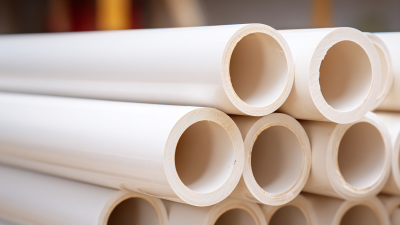
PVC resin has become an essential material in various industries. Its versatility allows for wide-ranging applications, from construction to consumer goods. According to the Plastic Industry Association, PVC accounts for approximately 25% of the global plastic market. This statistic underscores the material's importance in contemporary manufacturing.
Dr. Emily Rodriguez, a leading expert in polymer science, once noted, "The ability of PVC resin to adapt to numerous applications makes it an invaluable resource." This adaptability enhances product performance across various sectors. However, it's essential to reflect on sustainability concerns surrounding PVC production. The industry faces challenges regarding environmental impact.
Despite its benefits, we need to critically assess the long-term effects of PVC resin usage. As we explore the top ten applications, let's consider both innovation and responsible practices. The journey of PVC resin continues to evolve, and understanding its applications is crucial.
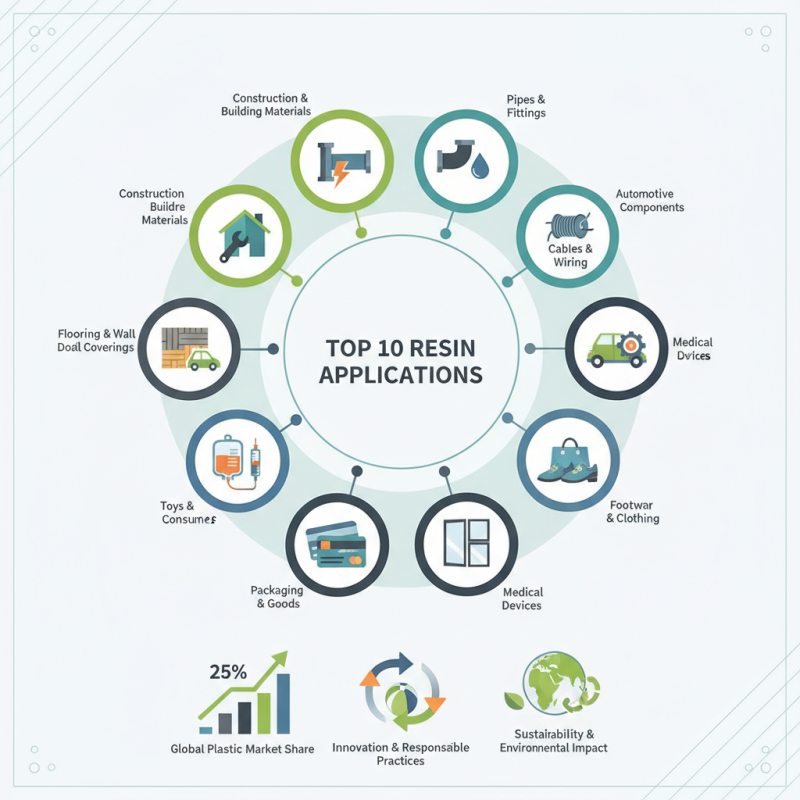
PVC resin, also known as polyvinyl chloride, is a versatile polymer. Its unique properties make it suitable for numerous applications. PVC is durable, water-resistant, and lightweight. These characteristics lead to its popularity in construction and everyday products.
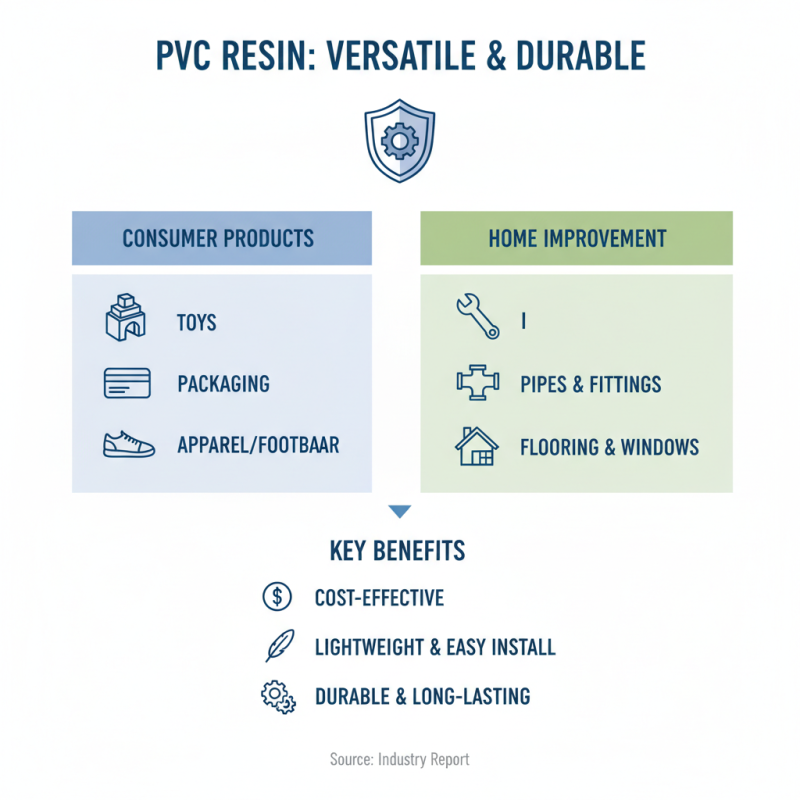
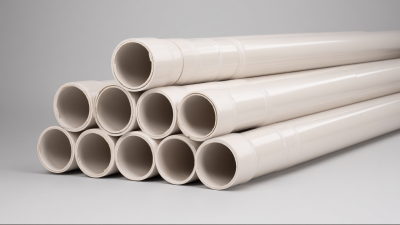
One common use is in piping systems. PVC pipes resist corrosion, making them ideal for plumbing. They are also lightweight, which simplifies installation. In the automotive industry, PVC acts as an effective insulation material. It protects electrical wires and components from damage.
Tips: When handling PVC, ensure proper ventilation. Heating PVC can release harmful fumes. Always prioritize safety. Explore its applications cautiously. The potential for waste exists in poorly designed products. Aim for sustainability in your projects. Consider recycling options when disposing of PVC materials.
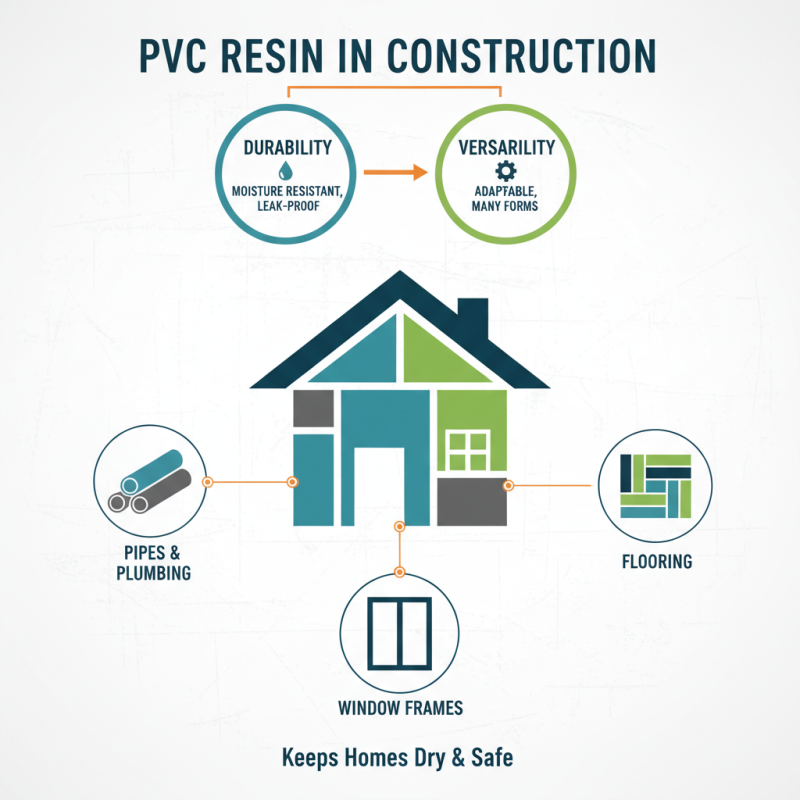
PVC resin plays a crucial role in construction materials, ingeniously combining durability and versatility. Many surfaces we walk on or live under utilize PVC resin. Pipes, window frames, and flooring are just a few examples. Its resistance to moisture makes it ideal for plumbing applications. This keeps homes dry and safe from leaks.
Tips: Always consider quality. Not all PVC products are created equal. Look for those that meet required standards for safety and performance.
Another significant application of PVC is insulation. It protects electrical wiring and increases energy efficiency. Plus, PVC sheets are often used in wall coverings and roofing membranes. These applications enhance aesthetic appeal while providing additional strength.
Tips: Regularly checking PVC materials can prevent issues. Over time, exposure to sunlight can degrade some types of PVC, leading to cracks. Sourcing high-quality products can mitigate this risk.
PVC resin has become a go-to material in many consumer products. Its versatility and durability make it ideal for various applications. In home improvement, PVC resin is used in pipes and flooring materials. These products are often more cost-effective than alternatives. The lightweight nature of PVC makes it easy to transport and install.
In fashion, PVC resin can be found in trendy clothing items and accessories. The shiny finish adds a unique touch to handbags and shoes. However, the environmental impact of PVC production is a concern. It's essential to consider eco-friendly alternatives.
Tips for using PVC resin products: Always check for the quality and certifications of PVC items. Look for options that are recyclable to minimize waste. Consider the longevity of the product before purchase. This will help in reducing future costs and environmental strain. Remember, not all PVC products are created equal. It's wise to do thorough research before committing to any product.
PVC resin plays a crucial role in electrical insulation and wiring. It is widely used due to its excellent insulating properties. This versatile material helps prevent electrical currents from unintentionally flowing, which could lead to short circuits. Its inherent resistance to moisture and chemicals adds to its appeal.
In electrical applications, PVC resin can be found in various forms. It is used to coat wires and cables, ensuring safety and efficiency. The flexibility of PVC makes it easy to handle during installation. However, there are concerns about durability over time. Not all PVC products maintain their insulating properties indefinitely.
Notably, improper installation can lead to failures. If the PVC is damaged or degraded, the risk of electrical hazards increases. Regular inspections and maintenance are essential to mitigate this issue. Understanding the limitations of PVC resin in electrical applications is vital for both manufacturers and consumers.
The use of PVC resin is widespread, but its environmental impact demands attention. PVC is versatile, appearing in pipes, flooring, and medical devices. Yet, it poses challenges. Production processes can release harmful chemicals. Additionally, disposal methods often lead to pollution.
Sustainability is critical. Recycling PVC is a complex process but essential for reducing waste. Many facilities do not accept PVC, increasing landfill issues. Encouraging responsible disposal habits can make a difference. There are some initiatives promoting the circular economy of PVC, but progress is slow.
Alternatives are emerging, yet they often lack the durability and cost-effectiveness of PVC. The quest for greener materials continues. There is a clear need for innovative solutions that balance performance with environmental stewardship. Understanding the lifecycle of PVC will help drive necessary changes.