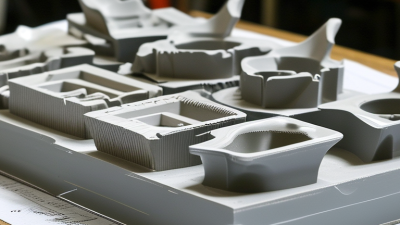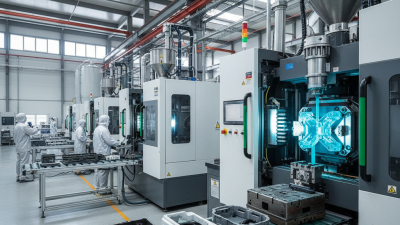
Choosing the right plastic moulding process is a practical decision for global buyers. It affects product quality, tooling cost, delivery speed, and long-term production stability. A mould that performs well for one project may fail in another. Material, geometry, order volume, surface finish, and regional supply conditions all matter.
Injection moulding suits high-volume products with precise dimensions and repeatable results. Compression moulding can support thermoset materials and larger components. Blow moulding is widely used for hollow containers, while rotational moulding serves low-volume, large, or complex parts. Thermoforming may reduce tooling costs for certain thin-walled designs. The best option depends on evidence, not attractive promises.
Ask suppliers for material data sheets, mould-flow analysis, tolerance records, and sample inspection reports. Examine the factory’s equipment, quality controls, and experience with similar products. A small trial run can reveal warping, sink marks, flash, or uneven wall thickness before mass production begins. It is not a perfect safeguard. Human mistakes and unexpected material behavior still occur.
Reliable sourcing also requires clear communication about standards, packaging, inspection stages, and delivery responsibilities. Buyers should compare total project cost rather than viewing unit price alone. Tool maintenance, cycle time, rejected parts, and shipping conditions can change the final calculation. An experienced supplier explains these risks openly and documents each decision. That transparency builds trust across borders. Yet buyers should remain involved. Independent testing or third-party inspection may be worthwhile when product performance is critical. The right plastic moulding process is not simply the cheapest route; it is the most suitable balance of quality, risk, scalability, and verified manufacturing capability.
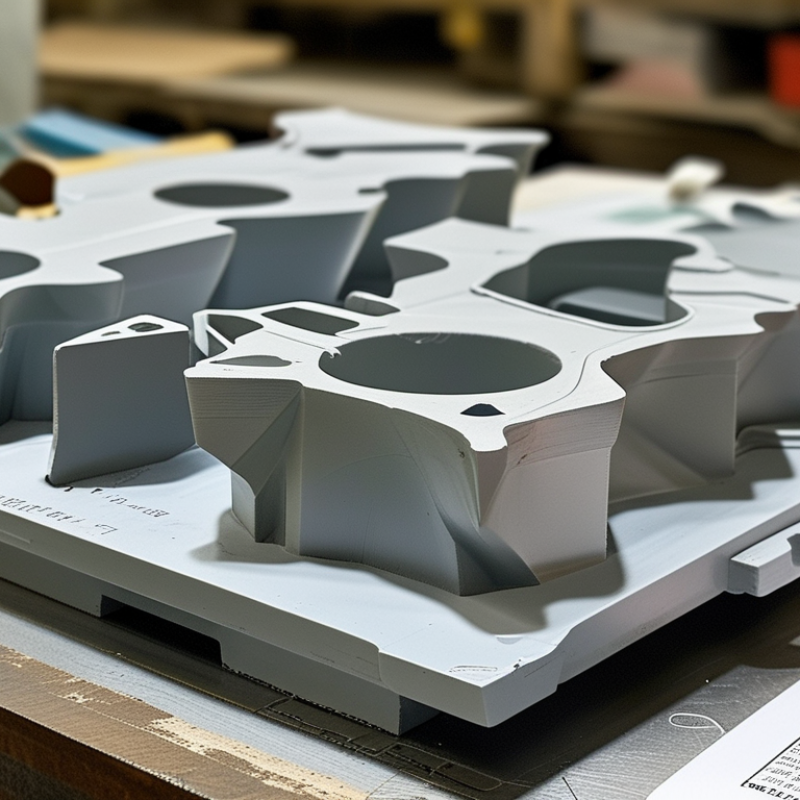
Plastic moulding is the controlled shaping of polymer material inside or against a mould. Heat softens the plastic, while pressure, vacuum, or rotation creates the required form. Its purpose is practical: repeatable parts, stable dimensions, and efficient production at useful volumes. The right process depends on geometry, resin behavior, surface finish, order quantity, and target cost. No process is best for every product.
Injection moulding suits detailed parts such as housings, closures, and technical components. Molten resin enters a metal mould under pressure, then cools before ejection. It offers strong repeatability, but mould tooling can require significant investment.
Blow moulding creates hollow containers by inflating a heated tube inside a cavity. Thermoforming heats plastic sheet and draws it over a mould, making trays, panels, and covers. Its tooling is often simpler, though thickness can vary around corners.
Compression moulding presses material between heated mould halves and suits larger, durable components. Rotational moulding builds hollow parts by heating powder inside a rotating mould. It supports low-pressure production, but cycle times may be long.
Measurements matter. Buyers should request material data, dimensional tolerances, sample parts, inspection records, and realistic lead times. Ask how warpage, flash, shrinkage, and colour variation are controlled. A first trial may reveal weak ribs or uneven walls. Not every trial succeeds. Experienced suppliers can revise vents, cooling channels, or processing temperatures when measurements disagree with drawings. Sometimes the original design needs changing.
Global buyers evaluate plastic moulding requirements by connecting part design with production reality. They examine material performance, annual volume, wall thickness, tolerances, surface finish, and expected service conditions. A housing used outdoors needs different resin and validation than an indoor packaging component. Small details matter. A 1.2 mm wall may reduce weight, but it can also create warpage or uneven cooling.
Buyers also compare suitable processes, such as injection, blow, compression, or rotational moulding. The choice depends on geometry, quantity, tooling cost, cycle time, and acceptable variation. They request mould-flow analysis, dimensional inspection plans, sample approvals, and traceable material certificates. Experienced teams ask how gates, vents, ejectors, and cooling channels will affect the finished part. They also review mould maintenance intervals and spare-part planning.
Price alone is not enough. A low unit quotation may exclude packaging, inspection, tooling changes, or freight damage. Earlier projects taught many purchasing teams to check these details before approval. Still, buyers sometimes specify unrealistic tolerances without confirming the process capability. That mistake increases cost and delays production. A reliable supplier should explain trade-offs clearly, provide evidence from similar work, and flag risks before cutting steel. Clear drawings help. So does an honest discussion about what the process cannot guarantee.
| Moulding Process | Typical Product Fit | Common Material Options | Typical Production Volume | Dimensional Capability | Main Cost Drivers | Key Buyer Evaluation Requirements |
|---|---|---|---|---|---|---|
| Injection Moulding | Housings, caps, automotive parts, medical components, consumer products and technical parts | PP, PE, ABS, PC, PA, POM, PBT, TPU and many reinforced grades | Medium to very high; commonly selected for repeat production from thousands to millions of parts | High repeatability; achievable tolerance depends on resin, part geometry, tooling and process control | Mould complexity, steel grade, cavity count, machine size, cycle time, resin and secondary operations | Tooling amortisation, cavity balance, shrinkage control, gate and ejector design, inspection capability and long-term supply capacity |
| Compression Moulding | Large flat parts, electrical insulation components, seals, gaskets and thermoset or composite parts | Phenolic compounds, melamine, epoxy compounds, silicone, rubber and fibre-reinforced composites | Low to high, depending on part size, press capacity and automation level | Good for robust shapes; generally less suitable than injection moulding for highly intricate details | Press size, mould surface area, material charge, cure time, trimming and labour | Material cure performance, flash control, insert positioning, warpage, surface finish and repeatable charge weight |
| Blow Moulding | Bottles, containers, tanks, ducts and hollow industrial or consumer products | HDPE, LDPE, PP, PET, PVC and selected engineering polymers | Medium to very high for standardised hollow products | Good overall shape consistency; wall-thickness distribution requires careful process control | Mould design, extrusion or preform equipment, cycle time, material usage, trimming and leak testing | Capacity and leak performance, wall-thickness mapping, neck and closure accuracy, recycled-content requirements and drop resistance |
| Rotational Moulding | Large hollow tanks, bins, kayaks, playground equipment and low-volume industrial parts | Rotomoulding-grade PE, PP, PVC plastisol and selected polyamide materials | Low to medium; suitable where part size is large or demand is moderate | Good for large seamless shapes; tighter tolerances may be difficult because of thermal contraction | Mould fabrication, heating and cooling cycle, material loading, wall thickness and finishing operations | Wall uniformity, impact resistance, insert integration, cooling distortion, UV stability and part weight consistency |
| Thermoforming | Trays, packaging, interior panels, covers and large thin-wall components | ABS, HIPS, PET, PVC, PP, PC and multilayer sheet materials | Low to high; especially practical for medium volumes and large parts | Good surface replication; thickness varies with draw depth and geometry | Sheet cost, forming area, tool material, heating time, trimming and material scrap | Sheet availability, draw ratio, corner thickness, trim accuracy, recyclability, appearance and tooling lead time |
| Insert Moulding | Electrical connectors, threaded components, terminals, bushings and assemblies requiring integrated inserts | Engineering thermoplastics such as PA, PBT, PC, ABS, PP and compatible elastomers | Medium to high when loading and inspection can be automated | High potential, but insert location and moulding shrinkage must be tightly controlled | Insert cost, loading method, automation, tooling complexity, cycle time and post-mould inspection | Pull-out strength, insert orientation, flash prevention, electrical safety, corrosion protection and poka-yoke controls |
| Two-Shot or Overmoulding | Soft-touch grips, seals, multi-colour components and rigid-flexible integrated parts | Compatible combinations of PP, TPE, TPU, ABS, PC, PA and other engineered polymers | Medium to high for products that justify specialised tooling | High cosmetic and functional potential; interface design is critical | Multi-material tooling, machine configuration, compatibility testing, cycle time and quality inspection | Bond strength, material compatibility, colour consistency, flash, interface geometry and durability testing |
A reliable plastic moulding project starts with a clear product brief. Engineers review dimensions, wall thickness, draft angles, and expected production volume. The part is then checked through design-for-manufacturing analysis. This step can expose thin corners, trapped air, or difficult ejection areas. Small changes here often prevent expensive tooling revisions later.
Material selection follows the product’s real working conditions. Heat, impact, chemical contact, surface finish, and recycling requirements all matter. After approval, the mould is designed, machined, assembled, and tested. A trial run produces sample parts for dimensional inspection. Teams measure critical points with calibrated gauges, not visual judgment alone. If flash appears near the parting line, the mould may need adjustment. If warpage varies between cavities, cooling balance deserves investigation. Production should begin only after samples match the approved drawing and appearance standard. Shipping documents, batch records, and packing tests also support reliable global delivery.
Tips: Ask for a tolerance chart, material certificate, and trial report. Keep one approved sample as a reference. Do not treat the first successful shot as final proof. In practice, attractive samples can hide unstable cycle times. That weakness may surface during volume production. A short pilot run can reveal it early. Build time for correction. Good process control is rarely perfect.
Top Plastic Moulding Process for Global Buyers?
Comparing Injection, Blow, Compression, and Rotational Moulding
For global buyers, moulding choice should begin with part geometry, volume, resin, and tolerance. Injection moulding suits precise parts with ribs, threads, and repeatable dimensions. It supports high production volumes efficiently, but tooling costs can be substantial. A mould trial should check filling, warpage, sink marks, and cycle time. Small defects matter. Practical sourcing experience shows that cooling design is often treated as an afterthought.
Blow moulding fits hollow containers, ducts, and tanks when wall thickness can be controlled. Extrusion blow moulding supports larger shapes, while injection blow moulding offers cleaner neck details. Compression moulding works well for thermosets, rubber-like materials, and fibre-reinforced parts. It can reduce internal stress, though flash control and trimming require attention. Rotational moulding creates large, hollow products with relatively low tooling costs. However, cycles can be long, and dimensional precision is usually lower than injection moulding.
For reliable comparisons, buyers should request material data, sample measurements, process limits, and inspection records. Ask how the supplier controls moisture, mould temperature, wall thickness, and batch variation. A low unit price can hide slower cycles, higher scrap, or costly secondary work. Annual volume forecasts also deserve scrutiny because demand often changes after launch. This uncertainty may support a flexible tooling strategy. Simple parts win sometimes. Yet, no process remains ideal after every design change.
Comparative capability scores for injection, blow, compression, and rotational moulding
Scores range from 1 to 5 and reflect widely recognized process characteristics rather than any specific supplier or brand. Injection moulding is generally strongest for precision and complex thin-wall parts; blow moulding is optimized for hollow containers; compression moulding is suitable for thermosets and composites; rotational moulding is advantageous for large, hollow, low-volume products.
Top Plastic Moulding Process for Global Buyers?
Choosing a plastic moulding process starts with the part, not the supplier’s sales pitch. Injection moulding suits high-volume parts with stable dimensions and complex details. Compression moulding can work better for thicker components and lower production volumes. For hollow packaging, blow moulding often reduces material use. The wrong process may still produce acceptable samples, but it can create costly defects later.
Quality control should be visible on the factory floor. Ask for mould-flow analysis, material certificates, first-article inspection, and dimensional reports. Inspect critical points such as wall thickness, weld lines, flash, and warpage. A capable supplier records machine settings and traces each production batch. Small details matter. However, reports alone are not proof. An independent audit or live production inspection can reveal problems hidden in polished documents.
Cost comparison must include mould maintenance, cycle time, scrap rates, packaging, freight, duties, and payment terms. A cheaper mould may use weaker steel and require frequent repairs. That is not always cheaper. International supplier selection also requires checking communication speed, engineering support, export experience, and realistic lead times. Request production samples made with the final material and tooling. I have found that rushed sampling often creates false confidence. Even experienced buyers can overlook seasonal freight delays or unclear tolerance agreements. A written quality plan, approval process, and corrective-action procedure reduce those risks.