Top Benefits of Flexible PVC Injection Molding for Manufacturers?
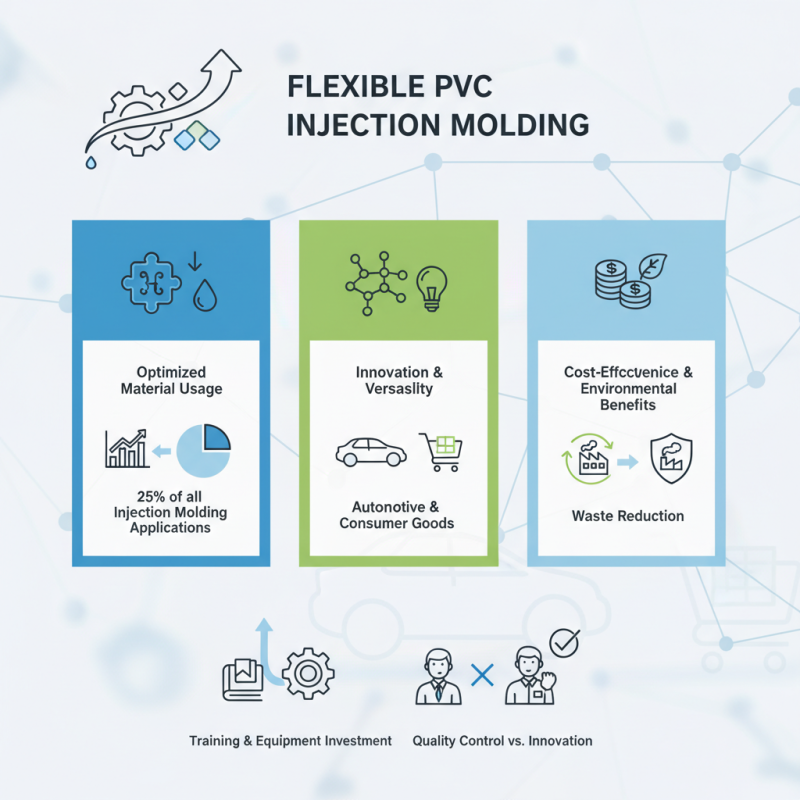
Flexible PVC injection molding has become a game-changer for manufacturers. This technique enables the production of complex shapes while optimizing material usage. According to a recent report by the Plastics Industry Association, flexible PVC accounts for approximately 25% of all injection molding applications. This statistic underscores the growing importance of this material in modern manufacturing.
Dr. Emily Harrison, a leading expert in polymer science, emphasizes the advantages of flexible PVC injection molding. She stated, "The versatility of flexible PVC allows manufacturers to innovate without sacrificing performance." This highlights its capacity for high-performance applications across various industries, including automotive and consumer goods.
The process also offers cost-effectiveness and environmental benefits. It reduces waste through precise material distribution. Yet, some manufacturers struggle with the learning curve associated with this technology. Balancing quality control with innovation remains a challenge. Companies must invest in training and equipment to fully leverage the benefits. Thus, the potential rewards of flexible PVC injection molding must be carefully weighed against these hurdles.
Understanding Flexible PVC Injection Molding: An Overview
Flexible PVC injection molding offers unique advantages to manufacturers. This technique utilizes polyvinyl chloride, a versatile material known for its durability and flexibility. Manufacturers often choose flexible PVC for its ability to meet varying design requirements. This molding process produces parts that can withstand significant stress, making them ideal for various applications.
The flexibility of PVC allows for easier handling and assembly. This can lead to reduced production times and lower labor costs. However, achieving the desired flexibility can be challenging. It often requires precise control of the molding parameters. Any deviation may result in parts that do not meet specifications. Manufacturers must carefully consider their equipment and process capabilities.
Incorporating flexible PVC into production can enhance product performance. Yet, it is not without challenges. The need for consistent quality can strain resources. Testing and quality assurance become crucial in this process. Identifying the right blend and additives can also be a trial-and-error approach. Manufacturers must remain vigilant to ensure that the benefits outweigh the challenges.
Advantages of Flexible PVC Over Traditional Materials in Manufacturing
Flexible PVC has emerged as a superior material in manufacturing. Its unique properties offer distinct advantages over traditional materials. For instance, flexible PVC injection molding is cost-effective. It allows for quicker production cycles, reducing the overall lead time. This helps manufacturers meet tight deadlines while maintaining high-quality standards.
When comparing flexible PVC to traditional options, the difference is evident. Flexible PVC is lightweight yet durable, making it ideal for various applications. It is also resistant to weather and chemicals, offering longevity. This reduces the need for frequent replacements, which can lead to significant savings.
**Tips:** Consider the specific requirements of your project. Analyze how flexible PVC might enhance your production process. Regularly review your material choices. This could reveal areas for improvement in efficiency and cost.
Innovative manufacturing methods can be complex. Understanding the best practices for using flexible PVC can help. It’s essential to stay informed about advancements in injection molding technology. This awareness can enhance your production capabilities and product quality.
Top Benefits of Flexible PVC Injection Molding for Manufacturers
Cost Efficiency: How Flexible PVC Reduces Production Expenses
Flexible PVC injection molding offers a significant reduction in production costs for manufacturers. According to industry studies, using flexible PVC can cut material expenses by as much as 30%. This lower cost is due to the material's versatility and ease of use in various applications. Flexible PVC requires less energy during the injection molding process, leading to reduced operational costs.
Manufacturers have reported shorter production times as well. The rapid cycle times associated with flexible PVC injection molding can decrease overall manufacturing time. This efficiency can result in a 15-20% increase in productivity. Additionally, the lower scrap rates associated with flexible PVC contribute to long-term savings. The material's excellent flow properties often lead to a higher yield in finished products.
Despite these benefits, there's room for improvement in waste management and recycling processes for flexible PVC. Industry analyses suggest that while the material is cost-effective, its environmental impact needs more attention. Manufacturers should explore sustainable practices to mitigate potential downsides. Investing in recycling technologies could enhance the overall benefits of using flexible PVC.
Top Benefits of Flexible PVC Injection Molding for Manufacturers
| Benefit |
Description |
Cost Reduction (%) |
Production Time Savings (Hours) |
| Material Efficiency |
Flexible PVC reduces waste and maximizes material usage in the molding process. |
20% |
2 |
| Reduced Cycle Times |
Faster cooling and lower cycle times lead to more efficient production. |
15% |
1.5 |
| Versatility |
Flexible PVC can be used for various applications, reducing the need for multiple materials. |
10% |
1 |
| Durability |
Products made from flexible PVC have longer lifespans, reducing replacement costs. |
5% |
0.5 |
| Lower Equipment Wear |
Flexible materials cause less wear on injection molding equipment, leading to fewer maintenance costs. |
8% |
0.5 |
Versatility in Design: Customization Opportunities with Flexible PVC
Flexible PVC injection molding offers remarkable customization opportunities for manufacturers. Due to its inherent flexibility and durability, this material can be shaped into a variety of intricate designs. According to a recent study by the Society of Plastics Engineers, over 70% of manufacturers report higher design versatility with flexible PVC compared to traditional plastics. This adaptability is critical in industries like consumer goods, automotive, and medical devices.
Customization with flexible PVC allows manufacturers to create products tailored to specific needs. For instance, flexible PVC can accommodate complex geometries, allowing for innovative solutions that meet market demands. Industry reports indicate that injection-molded flexible PVC products often enhance user experience, especially in ergonomic designs. However, it’s essential to understand that not all designs look perfect in real-world applications. Some prototypes may reveal unexpected rigidity or inconsistency in texture.
Moreover, while flexible PVC is efficient and cost-effective, some manufacturers find challenges in scaling production. Material behavior can vary based on environmental factors, leading to potential quality control issues. A thorough understanding of material properties is crucial for maintaining reliability in final products. Continuous evaluation of production techniques ensures that manufacturers can harness the full potential of flexible PVC without compromising on standards.
Durability and Performance: The Long-Term Benefits of Flexible PVC Products
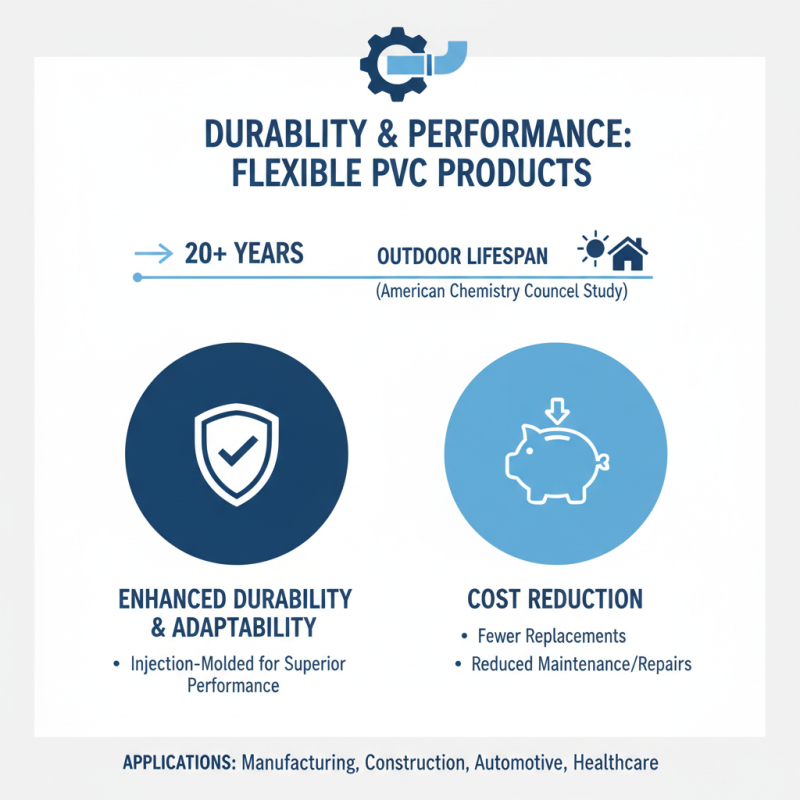
Flexible PVC, or polyvinyl chloride, stands out for its durability and adaptability in the manufacturing sector. When molded through injection, it offers enhanced performance characteristics. According to a recent study by the American Chemistry Council, products made from flexible PVC can last over 20 years when used in outdoor applications. This longevity is crucial for manufacturers aiming to reduce costs associated with replacements and repairs.
One significant advantage is flexible PVC's resistance to environmental stressors. It withstands UV radiation, chemicals, and temperature fluctuations better than many alternatives. A report from the Plastics Industry Association indicates that flexible PVC can maintain its shape and function with minimal degradation over time. This characteristic translates to lower maintenance costs, which is beneficial for budgeting.
Tip: Regularly assess the conditions where flexible PVC products are used. Environmental factors can impact performance, even with high-quality materials.
While the benefits are substantial, it's essential to revisit the manufacturing process. Minor defects during molding can compromise the overall durability of the product. Continuous quality checks are vital to ensure that the final output meets industry standards and client expectations.
Tip: Implement a feedback loop with your production team. Discuss any recurring issues that could affect the integrity of the products.